The Hero’s Journey is a narrative framework that outlines the typical stages and elements found in many mythological and heroic stories. It provides a structure for character development, plot progression, and the overall thematic arc of a hero’s quest. While the concept of the Hero’s Journey has been present in myths and folklore for centuries, it was popularized and extensively explored by the American scholar Joseph Campbell.

FIRST CRITICAL ANALYSIS OF THE HERO
Joseph Campbell, a professor of comparative mythology and religion, introduced the concept of the Hero’s Journey in his influential book, “The Hero with a Thousand Faces,” published in 1949. Campbell’s book analyzed the common patterns and archetypes found in myths, folklore, and religious traditions from around the world. He discovered that despite cultural differences, there were striking similarities in the stories of heroes across various cultures and time periods.

Campbell identified a universal monomyth, which he referred to as the Hero’s Journey, that encompassed three major phases: Departure, Initiation, and Return. Each phase consists of several stages that a hero typically encounters on their transformative quest.
THE 3 PHASES OF JOURNEY
In the Departure phase, the hero is called to adventure, refuses the call initially, but eventually sets out on their journey. They encounter mentors, receive supernatural aid, cross a threshold into the unknown, and face various tests and challenges.
The Initiation phase involves the hero undergoing trials, experiencing personal growth, and facing their deepest fears. They may encounter allies and enemies, experience a symbolic death and rebirth, and gain wisdom or special powers.
Finally, in the Return phase, the hero achieves their goal, receives a reward, and returns to their ordinary world. They bring back newfound knowledge, insight, or a gift that benefits their community or society.
ONCE YOU GET THIS EVERYTHING IS REPETITIVE!
Campbell’s concept of the Hero’s Journey resonated deeply with writers, filmmakers, and storytellers. It became a fundamental framework for understanding and creating compelling narratives. Numerous popular works, such as George Lucas’s “Star Wars” and J.R.R. Tolkien’s “The Lord of the Rings,” have drawn heavily upon Campbell’s ideas and incorporated the Hero’s Journey structure into their storytelling.
While the Hero’s Journey is not a strict template to be followed rigidly, it serves as a valuable tool for analyzing and understanding the underlying structure and themes of heroic narratives. Campbell’s work has had a lasting impact on the fields of mythology, literature, and storytelling, making the Hero’s Journey an enduring concept in the realm of narrative analysis and creation.

SO WHY JASON BOURNE AND ODYSSEUS ARE THE SAME?
In a modern context, a character often compared to the legendary figure of Odysseus from Greek mythology is Jason Bourne from the Bourne film series. Jason Bourne, portrayed by Matt Damon, embodies several traits and characteristics reminiscent of Odysseus, making him a modern version of the mythical hero.
Intelligence and Strategy: Like Odysseus, Jason Bourne is exceptionally intelligent and strategic. He possesses remarkable problem-solving skills, adapts quickly to new situations, and displays cunning tactics to outsmart his adversaries.
Resourcefulness and Adaptability: Both Odysseus and Jason Bourne face numerous challenges and obstacles, and they must rely on their resourcefulness to survive. They excel at using their environment and available resources to their advantage, thinking on their feet, and adapting to unpredictable circumstances.
Journey and Transformation: Similar to Odysseus’ epic journey home after the Trojan War, Jason Bourne embarks on a personal journey of self-discovery and redemption. He undergoes a transformation, gradually recovering his lost memories and seeking justice while striving to reconcile his past actions.
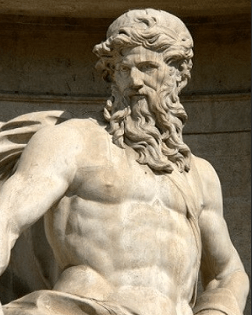
Survival and Perseverance: Odysseus and Jason Bourne both demonstrate incredible resilience and determination in the face of adversity. They survive life-threatening situations, endure physical and mental challenges, and never give up in their pursuit of their goals.
Heroic Qualities: Both characters possess heroic qualities such as bravery, loyalty, and a strong moral compass. They are driven by a sense of justice and protect those they care about, even at great personal risk.
While Jason Bourne’s story is set in a contemporary spy thriller context, his character shares many parallels with Odysseus. They both embody the essence of the hero’s journey, displaying traits and qualities that resonate with audiences across different time periods and cultures.
THE END OF THIS JOURNEY
Despite the deviations from a traditional Hero’s Journey transformation, Jason Bourne’s success lies in his adaptability, determination, and resourcefulness. He utilizes his existing skills and instincts to navigate the challenges he faces. His ability to think on his feet, outsmart his adversaries, and leverage his training enables him to succeed in his quest for identity, justice, and self-discovery.



 The Daily Think
Leave a comment