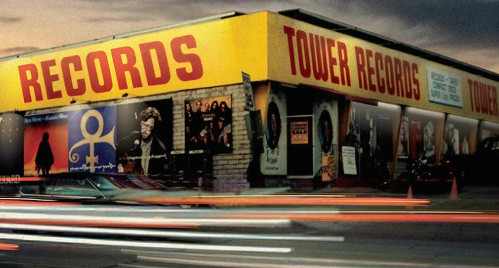
Do you remember going to a music store like Tower Records, Sam Goody, Borders, or my local shops the Music Trader (3 locations in Pacific Beach, Miramar Rd. and Ocean Beach) and looking for the great song to impress your friends with because of your ability to spot the next great band? Did you go to a listening station that allowed you to hear the entire album while others be-bopped and grooved around you? Did you make that difficult decision to buy Dinosaur Jr. over Blur because you found it had 2-3 immediately likable songs and with enough listens you could like the other songs? And then when you went up to pay for it (used CD’s were $8.99 and new ones were $11.99-$14.99) and you paid that hard earned minimum wage from your KFC drive-thru job to purchase it and blast it on your Sony Detachable Faceplate sound system with stock speakers worth more than the Dodge Caravan or Honda Accord it was in, did you feel confident in your purchase? One last question, do you remember most of the lyrics from the Chronic, Awards Tour, or Ten to this day because you bought those albums, listened to them, read the liner notes and absorbed them because of your investment and attaachment to them? Then you may suffer from the Endowment Effect that took place in CD purchasing of the 1990’s.
The 90’s, let’s go back to when the music industry sucked up $13Billion in hard earned money in CD sales ($20Billion in today’s terms) from us who lived through it. Let’s compare that decade of music to any that have followed it and try to name 3-5 musicians we like more than from that decade. Yes, you may be able to find some cool 21st century acts, but do they hold the gravitas of the British invasion of Blur and Oasis or the flannel rock of Seattle? Well there is a reason for that, and I will only present one argument to support that case and that is the Endowment Effect.
WHAT ENDOWMENT EFFECT DO YOU SPEAK OF?
Well the definition of the Endowment Effect suggests that “individuals place a higher subjective value on objects or assets they consider theirs due to factors such as psychological ownership, attachment, familiarity, and the reluctance to part with what they already possess.” So my 2 hours of Labor caused me to love this CD more than anything I’ve heard in the past 20 years? YUP.

The shift away from purchasing physical CDs and towards digital music and streaming services has changed the way we consume and interact with music. While the endowment effect can still apply to digital music and streaming, the dynamics have shifted due to the nature of the medium. Here’s how the endowment effect on music has evolved:
OWNERSHIP AND ATTACHMENT
In the past, owning a physical copy of an album created a tangible sense of ownership and attachment. The act of purchasing a CD and physically possessing it often led to a stronger sense of investment and value, enhancing the endowment effect. However, with digital music, ownership is less tangible. We no longer have physical copies, but rather access to a vast library of songs through streaming platforms or digital downloads. This shift may diminish the sense of ownership and attachment that fueled the endowment effect.
ACCESS AND ABUNDANCE
Streaming services offer an immense catalog of songs, granting listeners the ability to explore and discover a wide variety of music at their fingertips. With such abundance and convenience, there’s less reliance on a small collection of owned albums, reducing the sense of exclusivity and attachment that came with physical ownership. Listeners may be less inclined to develop a deep emotional bond or loyalty to specific artists or albums.

DISPOSABLE AND EXPLORATORY LISTENING
The ease of streaming has led to a culture of disposable and exploratory listening. Skip, skip skip, this sucks, Skip, sound familiar? Listeners can quickly skip songs, switch between artists, and explore new genres effortlessly. This behavior may decrease the time and attention given to individual songs or albums, reducing the potential for a strong emotional connection to develop.
PERSONALIZATION AND CONSUMPTION
Digital music platforms often provide personalized recommendations based on listening history and preferences. This personalization encourages individualized and diverse listening experiences, but it also contributes to a fragmented sense of loyalty and care. Listeners may prioritize individual songs or playlists rather than a specific artist or album, leading to a more fragmented and eclectic musical landscape.
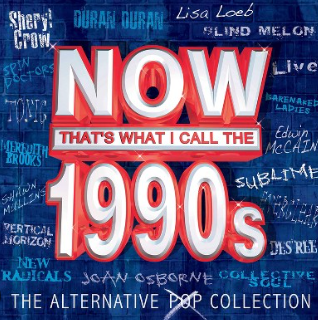
IS THERE NOSTALGIC MUSIC WITHOUT THE ENDOWMENT EFFECT?
The impact of music on our emotions and personal experiences remains a powerful force, and individuals may still form deep connections with A Tribe Called Quest or Weezer even without physical ownership of that CD case. But, we cannot deny the fact that we parted with little green paper and forced ourselves to like the deep cuts from the Warren G Regulate album (first of all, This DJ, Do you See, and So Many Ways were great Warren G songs in addition to Regulate, nobody forced me to like those cuts.) The evolving way we consume music means that the endowment effect has shifted to a digital version, but still costs fractions less than those Used CD’s of the 90’s that fill the Goodwill store nowadays.
Reference:
This article was influenced by the convo between Bill Simmons and Chuck Klosterman on July 13th’s episode of the “The BS Podcast.”
Simmons, Bill (Host) and Klosterman, Chuck (Guest). The Bill Simmons Podcast. Podcast audio, 102 minutes. Recorded July 12, 2023. Accessed July 13, 2023. Available at The Bill Simmons Podcast: Portland’s Dilemma, the Rise of Autobiographical Docs, Memory Loss Benefits, and Fun Conspiracies With Chuck Klosterman on Apple Podcasts.
 The Daily Think
Leave a comment