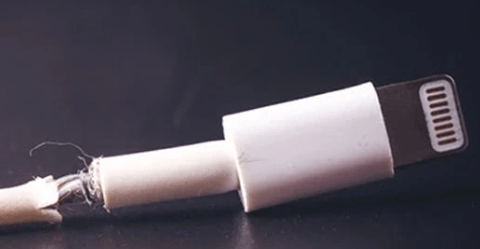
First question, have you ever bought something, whether it’s a pair of shoes, a tool, a device or a complex machine only to have it break, malfunction or simply no longer be of use way before its expected life span was going to be in your humble scientific and engineer’s opinion? In your head, you imagined that the washing machine would last 30-35 years, but it only lasted 18 years. You may have assumed that the basketball shoes you wore would survive two or three seasons only to find them worn and torn midway through year one. Or perhaps that toilet seat you replaced in your bathroom has already worn out and is now loose and cracked within only a few hundred Bowel Movements. The last example was specifically chosen to discuss a more recent and fascinating concept: Shitefication.

DEFINE LA MER
Shitefication, a term born out of colloquial discourse (that phrase sounds like shit to me) in essence is the gradual decline in quality and the proliferation of subpar products or services within various sectors. Think how we used to have Tonka trucks made of hard metal that cut up your legs and arms and it could take a beating from 3 generations of kids over several presidencies, to the transition of plastic Tonka trucks that need to be replaced within 6 months and possibly crack after an overweight cousin tries to sit on it. Initially it was confined to consumer goods but shitefication has now permeated into essential services, posing significant challenges to quality, safety, and reliability. Not to scare you.

THANKS A LOT NAFTA
Some would say the opening of trade and accessing a worldwide global supply chain may have been the death knell (only uninventive writers use that phrase) for quality production. A clear phenomenon occurred where cost-cutting measures, outsourcing, or substandard practices resulted in the production of goods that failed to meet acceptable quality thresholds. The quality of Japanese imports in the 70’s-80’s was slowly replaced by manufacturing from a host of other countries such as China, Mexico, Germany and Canada. Aided by Free Trade being opened up in the 90’s a shift happened and a focus on profitability over quality was born, or as the modern kids say, shitefication was given life. We realized that our stuff was coming from overseas and at first, hey it was cheap and plentiful, but then consumer confidence and trust in brands or service providers quickly eroded to be replaced by generics that did the same, but at a much shorter lifespan.

WHAT’S THAT SMELL, OH YEAH SPREADING SHITEFICATION
The growth of shitefication can be attributed to various factors, including globalization, outsourcing, and cost-driven business models. As companies prioritize profit margins and seek to remain competitive in a global marketplace, they often resort to outsourcing manufacturing or service provision to countries with lower labor costs or lax regulatory standards. This outsourcing trend has led to the proliferation of cheaper, foreign-made goods flooding domestic markets, resulting in a gradual decline in quality across various industries.
Moreover, advances in technology and supply chain management have facilitated the globalization of production, enabling companies to source components or services from multiple locations worldwide. While this interconnectedness offers opportunities for cost savings and efficiency gains, it also increases the complexity of supply chains, heightening the risk of quality control lapses or supply chain disruptions.
MORE PEOPLE, MORE DEMAND
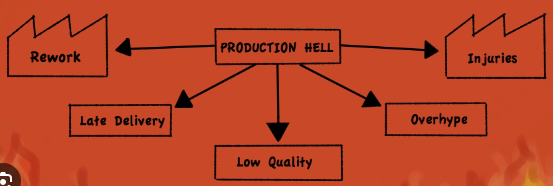
Additionally, the population growth often leads to increased demand for goods and services across various sectors. As the population expands, there is a higher demand for consumer products, housing, infrastructure, and essential services such as healthcare and education. This surge in demand can exert pressure on industries to produce goods and services quickly and at lower costs to meet the needs of a growing population. Consequently, businesses may resort to cost-cutting measures, such as outsourcing manufacturing or compromising on quality standards, to keep up with demand while maintaining profitability.

CAN WE NOT STEP IN IT?
Shitefication represents a pervasive challenge that transcends consumer goods and could extend into critical sectors such as medical services, homebuilding, or essential services. The evolution and proliferation of shitefication shows you how quickly and efficiently we can produce something, turn a profit and move onto the next thing. But there should always be importance put on upholding quality standards, promoting accountability, and safeguarding the integrity of products. By prioritizing these truths, stakeholders can mitigate the adverse effects of shitefication and ensure the well-being and satisfaction of consumers and communities. And maybe it’s time we as the consumer learn not to be such prolific consumers. Do we need 25% or 40% of the things we order from Amazon? Can we maybe learn to reduce our needs and reliance on binge shopping, impulse buying and determine what is really useful and necessary? Just a thought and a hope.



 The Daily Think
Leave a comment