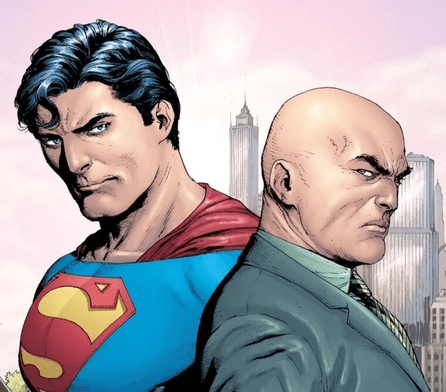
For many of us, the first superhero we probably rooted for was Superman, Batman, Spiderman or Wonder Woman. We grew up on their cartoons, movies, comic books and toys, and tuned in, read or acted out their victories over their enemies. The enemies: these villains, within the gallery included Lex Luthor, the Joker, and the Green Goblin. We knew the hero would win in the end after a challenging battle or circumstance was overcome, and we would go on our merry way ready for next week’s episode or next month’s issue. Over time, we probably discovered other activities in life whether it be sports, dating or simply mature out of superhero fandom (although Marvel movies might have re-energized a bunch of adults to become fanatics at an advanced age.) And what a lot of adults discovered when they revisited those superhero worlds is that perhaps the villain wasn’t the villain after all?
THE GOOD GUY IS THE BEST!
In storytelling, the roles of heroes and villains are etched in bold strokes. As children, we instinctively root for the hero, drawn to their valor and righteous cause. Yet, as we journey through life, our perspectives evolve, and the once-vilified antagonist emerges from the shadows of caricature into the light of empathy. In the innocence of childhood, the world is painted in shades of black and white, and morality is distilled into clear-cut dichotomies of good versus evil. From fairy tales to comic books, children are introduced to archetypal heroes who embody virtues such as courage, justice, and selflessness. These righteous do-gooders serve as metaphors of hope, inspiring young minds to believe in the triumph of good over evil. As children, we eagerly identify with the hero, projecting ourselves onto their noble quest and vicariously experiencing their victories. Their exploits fuel our imagination and instill in us a sense of optimism and idealism, reassuring us that justice will prevail, and that virtue will be rewarded. We have to believe this, we need to believe this, because we have not yet learned about cynicism.

I’M GROWING UP
However, as we mature and navigate the complexities of our teenage years to adulthood, the once-unquestioned certainties of morality begin to blur, revealing nuance and the concepts of “shades of gray” that really seep into the human experience. In our journey towards self-discovery, we come to recognize that villains are not merely cardboard cutouts of malevolence or guys who give speeches at the wrong time, but rather complex, multidimensional characters shaped by their own struggles and motivations. Many of these villains get their own movies or books, just look at Cruella, Joker, Harley Quinn, Loki, and even the Minions.

WAIT, THE VILLAIN WAS RIGHT ALL ALONG?
In many of stories, there comes the point where the villain must explain their motives. The big speech! Most of these speeches are rooted in the need to be respected by their opponent and end up usually with “You’re a monster” or “You’re a madman” and often the villains plans end up with an act that is hideous and cruel that makes them “the bad guy.” But a shift has occurred in which we rethink the notion “the bad guy.” The transition from cheering for the hero to understanding the villain is rooted in our capacity for empathy—the ability to comprehend and share the feelings of others. As we mature, we develop a deeper appreciation for the intricacies of human nature, recognizing that villains, like heroes, are products of their circumstances and choices.

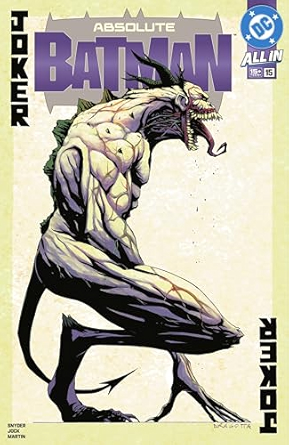
Through this empathy, we begin to discern the underlying motivations driving the villain’s actions, whether born of trauma, betrayal, or a desperate quest for redemption. We see beyond the façade of evil to the wounded soul beneath, grappling with inner demons and external pressures that shape their path. Was Thanos misguided in randomly erasing the existence of half the organic matter in the universe, probably., but did for a second there consider the position from which Thanos is making his case, the empathy in us can see that maybe overcrowding is a problem that needs to be addressed. Was Gaston a bad guy for protecting the village from a creature of enormous power and ferociousness? Is Lex Luthor right in that we should be worried about an indestructible god that could vaporize millions in an instant? Is the Joker to blame or a system that created him and drove him the real villain? The game becomes really easy to play when you start considering the villains viewpoint.

THE POWER OF PERSPECTIVE: CHALLENING MORAL CERTAINTIES
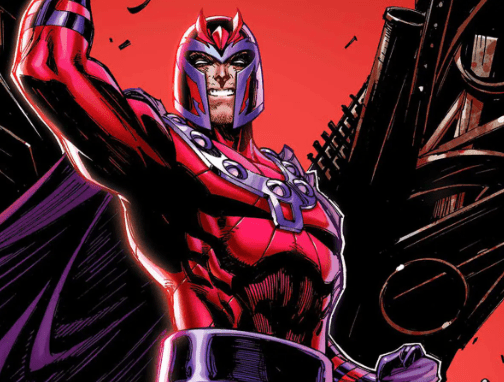
Central to our evolving understanding of heroes and villains is the power of perspective—the shifting vantage point from which we view the narrative unfold. What once seemed clear-cut and unambiguous becomes muddied by the complexities of human experience, prompting us to question our preconceived notions of right and wrong. In this journey of moral exploration, storytelling serves as both a mirror and a window, reflecting our own struggles within the diverse painting of human morality. We come to realize that the distinction between hero and villain is not always so stark (not Tony) and that each character represents a facet of the human condition, flawed yet capable of growth and redemption. Magneto was once the enemy of man but has over time saved humanity in various stories as the leader of the X-Men. Lex Luthor has had Superman on the brink of defeat but has also been a savior to mankind and saved it as well. Just a few examples, but one thing our cartoons and comic books never taught us, was that maybe the Villain could be saved instead of beaten up and tossed into a jail cell.
EMBRACE THE COMPLEXITY OF MORALITY
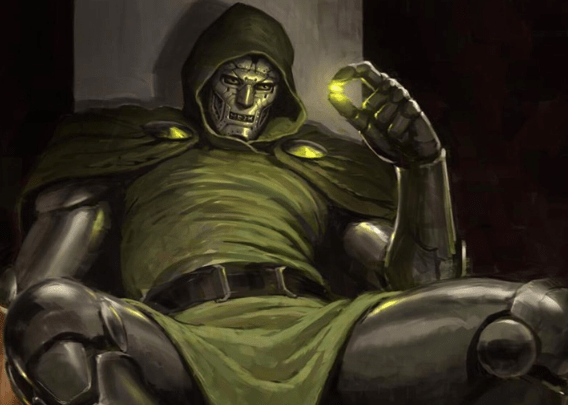
In the grand scheme of life, the journey from cheering for the hero to understanding the villain is a testament to the richness and complexity of human morality. It’s supposed to be hard and difficult to definitively say something is right or wrong. It is a journey that requires the true believer in all of us (shout out Stan Lee) to have empathy, curiosity, and a willingness to challenge our preconceptions in pursuit of deeper understanding. If we take that journey into heroes and villains, let us embrace the complexities of both and by recognizing that true wisdom lies not in facile judgments but in the willingness to engage with the shades of gray that define the human experience. Be weird in thought and be curious of those who are on the fringe and by doing so, we honor the power of empathy and consider how we all share the same pain of being human and a few bad moments in a person’s life can turn anyone into the “villain.”
 The Daily Think
Leave a comment