For the record, I am not a parent, but I am the product of a family who was gaming in the 80’s with Apple 2E’s and Coleco Vision’s along with Atari’s and Commodores. And as said product I have to say that parents who game with their kids or introduced gaming to them at a young age are the BEST PARENTS EVER!
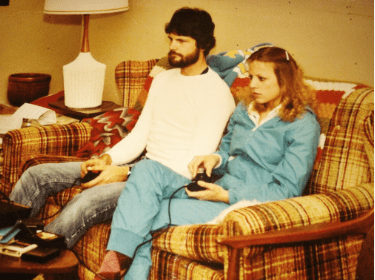
In the modern era, parenting is an ever-evolving landscape influenced by technological advancements and shifting cultural norms. As society progresses, so do the methods and attitudes towards child-rearing. One notable trend that has emerged in recent years is the increasing prevalence of parents who actively engage in video games or computer activities with their children. Far from being a distraction or hindrance, these parents are proving to be some of the best in nurturing their children’s development and fostering meaningful connections within the family unit.
BREAKING STEREOTYPES
The stereotype of the detached parent glued to their smartphone or computer screen while neglecting their children is being shattered by a new generation of parents who understand the value of shared experiences, including gaming. Contrary to popular belief, video games and computer activities can offer a wealth of benefits when approached with intentionality and moderation. Parents who participate in these activities alongside their children are not only fostering a sense of camaraderie but also imparting valuable life skills and facilitating cognitive development.
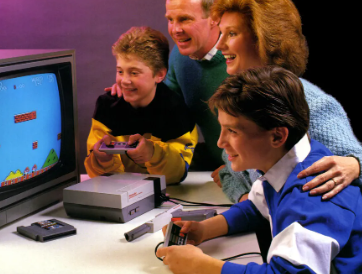
BENEFITS OF A CLASSICAL GAMING EDUCATION
One of the most significant advantages of parents who game is their ability to connect with their children on a deeper level. In today’s digital age, where screens often dominate our attention, finding common ground with children can be challenging. However, shared gaming experiences provide an opportunity for parents and children to bond over a mutual interest. Whether it’s exploring virtual worlds together, strategizing in multiplayer games, or solving puzzles collaboratively, gaming creates moments of shared joy and excitement that strengthen the parent-child relationship.
Moreover, parents who game demonstrate an active interest in their children’s hobbies and passions, which fosters a sense of validation and support. By engaging in their children’s interests, these parents communicate that they value their perspectives and enjoy spending time with them, thereby boosting their children’s self-esteem and sense of belonging within the family.

Beyond the emotional connection, gaming with children can also promote the development of essential life skills. Contrary to popular misconceptions, video games often require strategic thinking, problem-solving, and teamwork—all valuable abilities that translate into real-world scenarios. Parents who actively participate in gaming activities with their children have the opportunity to model and reinforce these skills, providing valuable guidance and encouragement along the way.
For example, cooperative multiplayer games encourage teamwork and communication as players work together to achieve common objectives. Parents who engage in these games with their children can impart lessons in collaboration, compromise, and leadership, all of which are invaluable skills in both personal and professional settings. Similarly, single-player games that involve puzzle-solving or decision-making can enhance critical thinking and problem-solving abilities, helping children develop resilience and resourcefulness in the face of challenges.

BEST MEMORIES AS A KID
Parents who game are often more adept at navigating the complexities of the digital landscape and can provide valuable guidance to their children in using technology responsibly. In an age where online safety and digital literacy are paramount concerns, parents who are actively involved in gaming can educate their children about potential risks and help them develop healthy habits for screen time usage.
By monitoring their children’s online activities, discussing appropriate behavior, and setting clear boundaries, these parents empower their children to make informed decisions and navigate the digital world safely. Rather than viewing technology as a threat, parents who game embrace it as a tool for learning and growth, leveraging its potential to enrich their children’s lives while mitigating potential risks.
Moreover, the stigma surrounding video games as mindless entertainment is gradually fading as researchers uncover the cognitive benefits of gaming. Studies have shown that certain types of video games can improve spatial awareness, problem-solving skills, and even enhance cognitive flexibility. Parents who game recognize the educational value of these experiences and actively seek out games that stimulate their children’s minds while providing entertainment.
Additionally, gaming can serve as a gateway to learning in various subjects, from history and science to mathematics and language arts. Educational games and simulations offer immersive experiences that make learning engaging and interactive, providing children with hands-on opportunities to explore complex concepts in a fun and accessible manner. By incorporating gaming into their children’s educational routine, parents can supplement traditional learning methods and cater to their children’s individual interests and learning styles.
HOMEWORK STILL COMES FIRST
The social aspect of gaming should not be overlooked. In an increasingly interconnected world, online gaming provides children with opportunities to interact with peers from diverse backgrounds and cultures, fostering friendships and social skills. Parents who game can facilitate these social interactions by encouraging responsible online behavior, teaching their children to communicate effectively, and fostering a sense of empathy and inclusivity.
However, it’s essential to emphasize the importance of balance and moderation when integrating gaming into family life. Like any other form of entertainment, excessive screen time can have adverse effects on children’s physical health, mental well-being, and academic performance. Parents who game understand the importance of setting limits and encouraging a healthy balance between screen time and other activities, such as outdoor play, reading, and family outings.
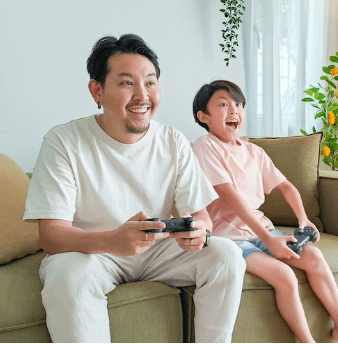
By modeling responsible screen time habits and prioritizing quality family time, these parents cultivate a balanced lifestyle that promotes overall well-being. Additionally, parents can use gaming as a reward for completing chores or homework, thereby incentivizing positive behavior and reinforcing the importance of responsibilities.
GO OUT TODAY AND GET A SYSTEM FOR JUNIOR
Parents who actively participate in gaming activities with their children are exemplars of modern parenting. Far from being a passive pastime, gaming offers numerous benefits for child development when approached with intentionality and moderation. Parents who game foster stronger bonds with their children, impart valuable life skills, promote digital literacy, and facilitate learning in engaging and interactive ways. By embracing technology as a tool for connection and growth, these parents are setting a positive example for future generations and redefining what it means to be actively involved in their children’s lives. Parents who game are indeed the best kind of parents, paving the way for a more connected and digitally savvy generation.



 The Daily Think
Leave a comment