George A. Romero’s “Dead” trilogy, comprising Night of the Living Dead (1968), Dawn of the Dead (1978), and Day of the Dead (1985), stands as the SHIT (Super Hot Intellectual Trilogy) of horror cinema, pioneering the modern zombie genre and leaving a mark on film history. These films not only redefined the concept of zombies but also explored profound social commentary, showcasing Romero’s visionary storytelling and filmmaking prowess. Thinknewsnow will delve into the greatness and critical reception of the trilogy, highlighting its success as the most influential zombie franchise.
“They’re coming to get you Barbara”

NIGHT OF THE LIVING DEAD (1968)
George A. Romero, often hailed as the “father of the modern zombie film,” revolutionized horror cinema with his groundbreaking approach to the undead. Before Romero’s seminal work, zombies were primarily depicted as creatures under voodoo control in films like White Zombie (1932). However, Night of the Living Dead introduced a new paradigm: reanimated corpses driven by an insatiable hunger for human flesh, devoid of supernatural influence.
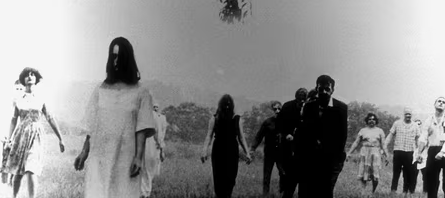
Released in 1968, Night of the Living Dead was shot on a modest budget yet achieved unparalleled impact. Set against the backdrop of societal upheaval and civil rights tensions in America, the film shocked audiences with its visceral portrayal of terror and its bleak, nihilistic ending. Romero’s direction and Duane Jones’s portrayal of the resilient protagonist, Ben, challenged racial stereotypes and established a blueprint for future horror films that merged scares with social commentary. And finally, this movie scared the crap out of a young Thinknewsnow.com editor.
“When there is no more room in hell, the dead will walk the earth”
DAWN OF THE DEAD (1978): Consumerism and Satirical Brilliance

Romero’s follow-up, Dawn of the Dead, arrived in 1978 and expanded upon the zombie apocalypse narrative with a biting satire of consumer culture. Set primarily in a shopping mall, the film follows a group of survivors who fortify themselves against the zombie horde while grappling with the futility of materialism in the face of societal collapse. With groundbreaking special effects by Tom Savini and a pulsating score by Goblin, Dawn of the Dead not only elevated the horror genre but also solidified Romero’s reputation as a master filmmaker.
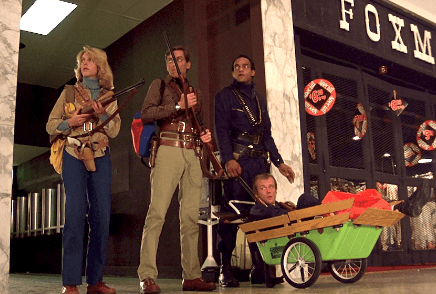
Critically acclaimed for its social commentary and dark humor, Dawn of the Dead garnered praise for its exploration of human behavior under extreme circumstances. The film’s critique of consumerism, juxtaposed with the mindless pursuit of comfort amidst chaos, resonated deeply with audiences and critics alike. Its influence extended beyond horror, inspiring discussions on capitalism, existentialism, and the fragility of societal norms.
“Yeah, Prime real estate at close-out prices”
DAY OF THE DEAD (1985): Human Desperation and Scientific Curiosity

The concluding chapter of Romero’s trilogy, Day of the Dead, arrived in 1985 and took a darker, introspective turn. Set in an underground military bunker, the film explores the remnants of humanity as they struggle to survive amid dwindling resources and escalating tensions. Unlike its predecessors, which featured widespread chaos and societal breakdown, Day of the Dead delves into the psychological and moral decay of isolated survivors.
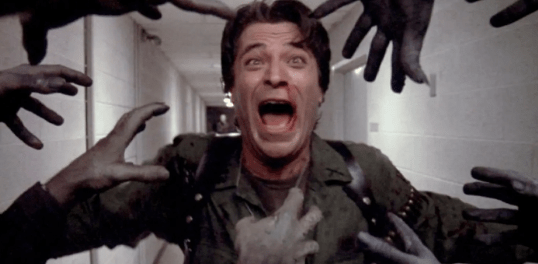
Led by Sarah, a scientist determined to understand and control the zombie epidemic, and Captain Rhodes, a tyrannical military leader, the characters represent conflicting ideologies and the desperation of a world on the brink of extinction. Romero’s exploration of human nature, scientific curiosity, and the consequences of unchecked power added depth to the zombie narrative, pushing boundaries and challenging audiences to confront uncomfortable truths.
CULTURAL IMPACTS
The “Dead” trilogy garnered widespread critical acclaim for its innovative storytelling, social commentary, and technical achievements. Critics praised Romero’s ability to blend horror with profound thematic depth, using the zombie genre as a vehicle to critique contemporary issues and societal anxieties. Each film in the trilogy tackled different facets of human behavior and societal collapse, resonating with audiences on multiple levels.
Night of the Living Dead shocked audiences with its raw intensity and subversive narrative, while Dawn of the Dead captivated viewers with its satirical take on consumerism and survival. Day of the Dead, though initially polarizing for its bleak outlook and intense character dynamics, has since been reevaluated for its thematic richness and narrative complexity.
Beyond critical acclaim, the “Dead” trilogy exerted a profound influence on horror cinema and popular culture. It inspired a wave of zombie-themed media, from films and television series to video games and literature, cementing the zombie as a staple of horror lore. The trilogy’s legacy is evident in the evolution of the zombie genre, with subsequent filmmakers and storytellers drawing inspiration from Romero’s groundbreaking work.
INFLUENCE LIKE A ZOMBIE BITE
Romero’s “Dead” trilogy not only defined the zombie genre but also set a benchmark for subsequent films and franchises. Its influence can be seen in films like Danny Boyle’s 28 Days Later (2002), which revitalized the zombie genre with its fast-paced infected and exploration of societal collapse. Zack Snyder’s 2004 remake of Dawn of the Dead paid homage to Romero’s original while infusing it with contemporary themes and intense action sequences.
Moreover, the success of Romero’s trilogy paved the way for ongoing zombie franchises such as AMC’s The Walking Dead, which explores long-term survival in a post-apocalyptic world, and video game series like Resident Evil, known for its blend of horror, action, and survival gameplay. These adaptations and derivatives continue to draw upon Romero’s legacy, ensuring that his vision of the undead endures in popular culture.

ROMERO BECOMES LEGEND
In conclusion, George A. Romero’s “Dead” trilogy stands as a testament to the power of horror cinema to provoke thought, inspire fear, and challenge societal norms. Through Night of the Living Dead, Dawn of the Dead, and Day of the Dead, Romero not only redefined the zombie genre but also pioneered a new approach to storytelling that blended horror with social commentary and philosophical inquiry.
The trilogy’s greatness lies not only in its technical achievements and narrative innovation but also in its ability to reflect and critique the human condition. Romero’s exploration of fear, survival, and societal collapse resonates with audiences to this day, underscoring the timeless relevance of his work. As the most successful and influential zombie franchise in film history, the “Dead” trilogy continues to inspire filmmakers, artists, and storytellers, ensuring that George A. Romero’s legacy as the “father of the modern zombie film” endures for generations to come.
 The Daily Think
Leave a comment