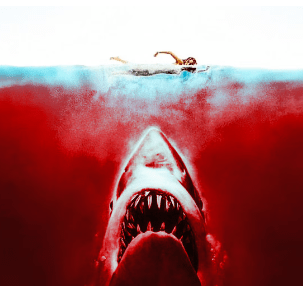
When Steven Spielberg’s Jaws hit theaters in 1975, it revolutionized the thriller genre and changed the way humans perceive sharks. This iconic film not only became a cultural phenomenon but also instilled a deep-seated fear of sharks in the public consciousness. It also became one of my most rewatched movies every summer! And while it brought attention to these magnificent creatures, it also propagated misconceptions that continue to influence attitudes toward sharks and the field of shark research.
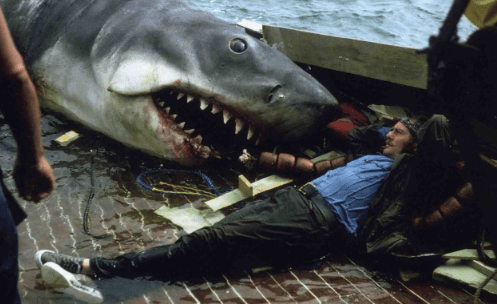
“The Beaches will remain open!” The Rise of Shark Phobia
Jaws introduced audiences to a relentless great white shark that terrorizes a beach town. The film’s portrayal—an apex predator hunting humans—stirred panic and led to widespread shark phobia. Following its release, beachgoers became increasingly wary, with many fearing the ocean itself. This reaction resulted in a significant decline in shark populations as fishermen sought to eliminate the perceived threat.
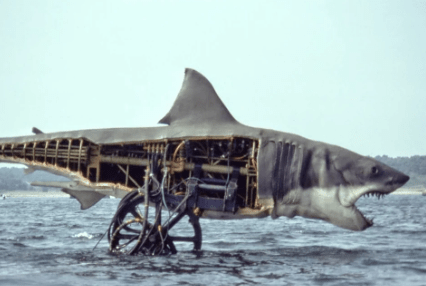
“Two Barrels, he still went under.” The “Man-Eater” Myth
The film’s narrative framed sharks as man-eaters, emphasizing their ferocity and disregard for human life. This simplistic portrayal overshadowed the reality: sharks are not naturally inclined to attack humans. In fact, incidents of shark attacks are extremely rare, and most species pose little to no threat to people. The film’s sensationalism contributed to a distorted understanding of shark behavior, reinforcing the myth of the “killer shark.”
“I Study Sharks.” Funding and Research Direction
The sensationalist depiction in Jaws had implications beyond public perception; it influenced the direction of shark research itself. The film catalyzed funding for studies focused primarily on shark attacks and behavior, often at the expense of more vital ecological research. As scientists rushed to understand the factors behind attacks, broader studies concerning shark ecology, conservation, and their role in marine ecosystems received less attention.
The media often perpetuates the Jaws narrative, presenting sharks primarily in the context of danger. Documentaries and articles frequently focus on shark attacks, neglecting the importance of sharks in maintaining the balance of marine life. This persistent portrayal creates a skewed understanding of the species, overshadowing the need for conservation efforts that highlight sharks’ ecological significance.

“Farewell and adieu to you fair Spanish ladies.” Changing Narratives
In recent years, efforts have emerged to counteract the fear instilled by Jaws. Documentaries and educational programs are striving to promote a more nuanced view of sharks. These initiatives emphasize sharks’ ecological importance, aiming to shift public perception from fear to appreciation. Engaging in conservation efforts, such as protecting shark habitats and advocating for sustainable fishing practices, is crucial to changing the narrative surrounding these creatures.
Social media has played a significant role in reshaping attitudes towards sharks. Viral campaigns and educational initiatives aim to inform the public about the truth behind shark behavior and the urgency of their conservation. By sharing positive stories and scientific research, advocates are working to replace the fear-based narrative with one rooted in respect and understanding. And bottom line, respect the shark’s domain, it’s just swimming around looking for a meal and surviving, so don’t get in his way.
“You’re gonna need a bigger boat”
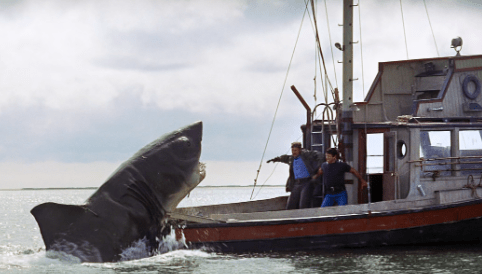
While Jaws undeniably created a lasting legacy in cinema, its portrayal of sharks has had far-reaching consequences on public attitudes and shark research. By fostering fear and misunderstanding, the film contributed to a narrative that persists to this day. However, with ongoing efforts to promote education and conservation, there is hope for a more balanced understanding of these remarkable creatures. It is crucial for society to move beyond the shadows of Jaws and recognize sharks for what they truly are: vital components of our marine ecosystems deserving of protection and respect.



 The Daily Think
Leave a comment