
You ever have one of those moments where you told yourself you could do something beyond your abilities, and you actually did it? Ever watch a sporting event where the underdog, clearly overmatched, pull out the victory? Is it determination, grit or desire or was there something else at play like the mind overcoming the body? Psychosomatic effects refer to the profound influence that the mind can exert over the body, often manifesting as physical symptoms or changes in response to psychological factors. The connection between mind and body has been acknowledged for centuries, and throughout history, there have been numerous examples illustrating the power of psychosomatic effects. These cases not only highlight the complexities of human health but also challenge our understanding of the boundaries between mind and body.

POP SOME PLACEBOS!
One of the most well-known examples of psychosomatic effects is the placebo effect. The placebo effect occurs when a patient experiences a real improvement in their condition after receiving a treatment that has no therapeutic value. This phenomenon is rooted in the patient’s belief that the treatment is effective, which triggers physiological responses in the body.
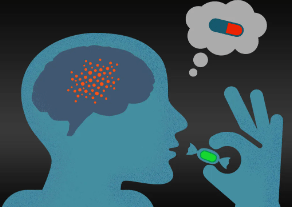
Historically, the placebo effect has been documented in various medical trials. During World War II, American anesthesiologist Dr. Henry Beecher ran out of morphine while treating wounded soldiers. In a desperate move, he injected them with saline, telling them it was a powerful painkiller. To his surprise, many soldiers reported significant pain relief. This event underscored the power of belief and expectation in altering physical sensations, and it led Beecher to become a pioneer in the study of the placebo effect.
I SUGGEST YOU BELIEVE IN YOURSELF
Faith healing is another area where psychosomatic effects have played a crucial role. Throughout history, countless individuals have claimed to be cured of ailments through religious or spiritual rituals, often in the absence of conventional medical treatment. These cures, although sometimes dismissed as mere coincidences or fraud, can be understood through the lens of psychosomatic effects.

One famous example is the case of Lourdes, a small town in France where millions of pilgrims visit each year, seeking healing from its reputedly miraculous waters. Since the mid-19th century, the Roman Catholic Church has officially recognized over 70 cases of unexplained healings at Lourdes. While skeptics may question the legitimacy of these miracles, the psychological impact of faith and the belief in divine intervention cannot be underestimated. The deep conviction that one will be healed can activate the body’s natural healing processes, leading to genuine improvements in health.
CURSES, NOCEBOS AND NEGATIVE PSYCHOSOMATICA
Just as positive expectations can lead to healing, negative expectations can cause harm. The nocebo effect is the opposite of the placebo effect, where the belief that something will cause harm actually results in real physical symptoms. This phenomenon has been observed in various cultures throughout history, often in the context of curses or hexes.

One of the most striking examples comes from the Maori people of New Zealand, who believed that breaking certain taboos could result in death. In the late 19th century, several documented cases showed that individuals who believed they were cursed by a Maori priest would develop severe symptoms and, in some instances, die. Medical examinations often found no physical cause for their conditions, leading to the conclusion that the belief in the curse was enough to trigger a fatal psychosomatic response.
WARTIME PSYCHOSOMATIC EFFECTS
The horrors of war have also provided fertile ground for the study of psychosomatic effects. During World War I, many soldiers who endured the relentless bombardments and traumas of trench warfare began to exhibit a range of physical symptoms, such as paralysis, blindness, and uncontrollable tremors. These symptoms, which could not be traced to any physical injury, were initially labeled as “shell shock.”
Today, shell shock is understood as a form of post-traumatic stress disorder (PTSD), where the psychological trauma of war manifests in debilitating physical symptoms. The condition highlights how the mind, when overwhelmed by stress and fear, can produce real physical changes in the body, sometimes even mimicking serious medical conditions.

MEDICINE AND PSYCHOSOMATIC ILLNESS
In contemporary medicine, psychosomatic disorders are recognized as conditions where psychological factors play a significant role in the onset, severity, or duration of physical symptoms. Examples include irritable bowel syndrome (IBS), tension headaches, and chronic pain disorders. These conditions often defy conventional medical explanations, as they are not purely physiological but are deeply intertwined with the patient’s emotional and mental state.
Psychosomatic illnesses present a unique challenge to healthcare providers, as they require a holistic approach to treatment that addresses both the mind and the body. This underscores the importance of considering the psychological well-being of patients in medical care, as the mind’s influence on health is undeniable.
NOW THAT YOU UNDERSTAND, BELIEVE!
The power of psychosomatic effects is a testament to the intricate and often mysterious relationship between the mind and body. From the placebo and nocebo effects to faith healing and wartime trauma, history is replete with examples of how our thoughts, beliefs, and emotions can shape our physical reality. As our understanding of psychosomatic phenomena continues to evolve, it reminds us of the need to consider the whole person—mind and body—when addressing health and well-being.



 The Daily Think
Leave a comment