“Is it better to be feared or respected? I say, is it too much to ask for both?” – Tony Stark, Iron Man.

The Iron Man Syndrome is based on the mindset of Tony Stark, the fictional billionaire genius and superhero known as Iron Man. It represents a worldview where an individual, relying on their intelligence, innovation, and personal resources, believes they can solve any problem on their own. This philosophy embodies extreme self-reliance, technological optimism, and the drive to transcend human limitations through sheer intellect and innovation, often leading to arrogance and isolation.

Tenets of the Iron Man Syndrome Philosophy:
1 Self-Reliance through Genius and Technology
2 Isolation in Problem-Solving
3 Technological Salvation and Overconfidence
4 Pursuit of Legacy through Innovation
Self-Reliance through Genius and Technology
In this philosophy, the individual believes that intellect and technological advancements are the ultimate solutions to all problems. Much like Tony Stark, who created his Iron Man suit as a one-man weapon against global threats, the adherent of this philosophy feels that personal innovation and technological prowess are superior to traditional solutions or collective action.
EXAMPLE: Instead of relying on government or collective action to solve climate change, one with the Iron Man Syndrome would believe they could invent a groundbreaking technology that would eliminate the problem single-handedly.
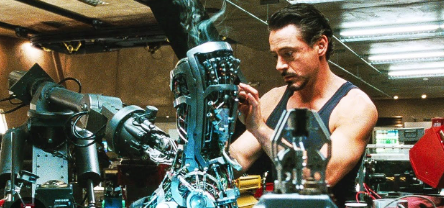
Isolation in Problem-Solving:
The philosophy glorifies working alone, dismissing the value of collaboration or external expertise. Stark’s preference for designing, building, and problem-solving solo reflects the belief that only those with enough intelligence, like himself, can truly understand and fix the world’s problems. The Iron Man Syndrome sees teamwork as an option for the weak or uninitiated, while the “genius” operates alone.
EXAMPLE: In real-world leadership, this manifests in CEOs or innovators refusing to delegate or collaborate, believing only they understand the true scope of the problem, much like Stark’s tendency to sideline others even when their input is necessary.
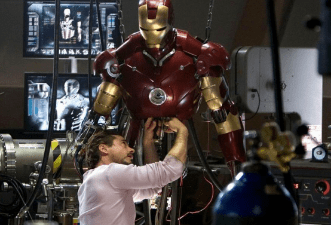
Technological Salvation and Overconfidence:
A core belief is that technology can solve any existential threat or personal dilemma. The Iron Man Syndrome promotes the idea that technological progress is linear, inevitable, and always for the good, just as Tony Stark continuously upgrades his suit to meet ever-greater challenges. However, this mindset often leads to a failure to anticipate the unintended consequences of technological solutions.
EXAMPLE: Stark’s creation of Ultron (an AI intended to protect the world) spiraled out of control, embodying the hubris of believing technology will always act in humanity’s favor.
Arrogance of the Self-Made Hero:
Those with the Iron Man Syndrome often exhibit a form of intellectual arrogance. The philosophy holds that those who are brilliant or resourceful can afford to ignore societal norms or regulations because their superior understanding of the world allows them to act in ways others cannot. Much like Tony Stark’s cavalier attitude toward the government or oversight, this worldview fosters a sense of entitlement and infallibility.
EXAMPLE: Entrepreneurs or technocrats who disregard laws, ethical standards, or safety protocols because they believe their innovations will ultimately justify their actions.

The Flawed Hero Paradox:
Despite the brilliance and technological advancement, this philosophy also embraces the flawed hero paradox. Like Tony Stark, who is both lauded for his genius and criticized for his personal failings, adherents of this philosophy often experience inner conflict. They wrestle with their own limitations, vulnerabilities, and mistakes, which threaten to undermine the very perfection they strive for. The human ego, emotional complexity, and moral dilemmas often clash with the calculated logic of their technological approach.
EXAMPLE: Stark’s alcoholism and guilt over creating weapons that fueled global conflicts show the dark side of believing you can fix the world on your own—personal demons and unintended consequences often emerge.
Pursuit of Legacy through Innovation:
The Iron Man Syndrome philosophy also revolves around a deep desire for legacy and immortality, not necessarily through biological means, but through technological innovation. The individual with this mindset, like Tony Stark, strives to build a legacy that will outlast them, believing their contributions will shape the future long after they’re gone. They aim to “save the world” through invention, rather than through interpersonal connections or humanitarian efforts.
EXAMPLE: Tech entrepreneurs who focus on projects like AI, space colonization, or life-extension technologies, aiming to leave behind an enduring mark on civilization.

Criticisms of the Iron Man Syndrome Philosophy:
Overestimation of the Individual: The philosophy’s emphasis on the individual as a savior often leads to an overestimation of personal abilities, resulting in blind spots and misjudgments. Overconfidence may cause the Iron Man-type figure to overlook societal, environmental, and ethical complexities.
Moral and Ethical Dilemmas: The pursuit of technological solutions without adequate ethical consideration may result in unintended consequences, as seen with Tony Stark’s creation of Ultron. This raises questions about the limits of technological optimism.
Failure to Embrace Human Interdependence: While the Iron Man figure believes in self-reliance, the reality is that no one is truly self-sufficient. Stark’s evolution in the Marvel universe eventually shows him needing and relying on others—teamwork and collective action are unavoidable in complex global issues.

Legacy of the Iron Man Syndrome:
“The armor is a shell. It’s the man inside who’s iron.” – Tony Stark, Iron Man, Extremis #1
The Iron Man Syndrome Philosophy captures both the brilliance and pitfalls of individualistic, technology-driven worldviews. It is both a cautionary tale and a celebration of human ingenuity, highlighting the need for balance between innovation, collaboration, and humility. Those who subscribe to this mindset may achieve greatness, but they risk falling into the trap of their own hubris, much like the character Tony Stark himself.
This philosophy could offer valuable insight into the modern tech and entrepreneurial mindset, but it serves as a reminder of the importance of collaboration, ethical awareness, and acknowledging one’s limitations.



 The Daily Think
Leave a comment