
Okay, how many times have we seen Peter Parker get bit by the radioactive spider in either 3 franchises, or the countless cartoons or even the multiple re-hashes in the comic book pages? How many times have we seen Bruce Wayne kneeling in the blood of his parents after they were killed only to inspire him in his future endeavor? It seems the origin stories have become an almost ubiquitous narrative device in both film and television. From superhero blockbusters to biographical dramas and reboots of beloved franchises, the rise of the origin story is undeniable. Audiences have been treated to the backstories of their favorite characters, often multiple times, as Hollywood doubles down on the trend to revive existing properties or introduce new ones. While origin stories can offer insight into character motivations and enrich a story, their pervasive use raises an important question: is this trend a creative revitalization of popular culture, or is it a lazy way to continue a story?
The Emergence of the Origin Story Trend
To understand how we got here, we must first trace the rise of the origin story. While origin stories are not a modern invention—ancient myths and literature are replete with tales explaining the origins of gods, heroes, and villains—they have exploded in popularity over the past two decades, especially in Hollywood. Much of this rise can be attributed to the success of superhero films, particularly from Marvel and DC Comics, whose characters have become fixtures of popular culture.
The origin story trend began gaining momentum in the early 2000s with films like Batman Begins (2005), which rebooted the Batman franchise by delving into the psychological trauma that transformed Bruce Wayne into the Dark Knight. Christopher Nolan’s darker, more grounded approach to the superhero genre inspired other filmmakers to follow suit. In 2008, Marvel Studios released Iron Man, a film that similarly focused on how Tony Stark’s experiences shaped him into the titular hero. The film’s success marked the beginning of the Marvel Cinematic Universe (MCU), which has since become the most profitable film franchise of all time.
The MCU’s reliance on origin stories to launch its various characters—including Thor (2011), Captain America: The First Avenger (2011), and Doctor Strange (2016)—set a template for other studios looking to capitalize on the superhero craze. Even characters like Spider-Man, whose origin has been retold multiple times across different media, were given new origin films with The Amazing Spider-Man (2012) and Spider-Man: Homecoming (2017).
But the trend is not confined to superhero films. Biopics, reboots, and prequels of famous franchises have all relied heavily on origin stories. Fantastic Beasts and Where to Find Them (2016) attempted to provide an origin for the wizarding world in Harry Potter, while Solo: A Star Wars Story (2018) explored Han Solo’s backstory. Even animated films like Monsters University (2013) and Cruella (2021) have jumped on the bandwagon, offering explanations for beloved characters’ motivations and quirks.
The question is, why has Hollywood become so lazy with this storytelling device?
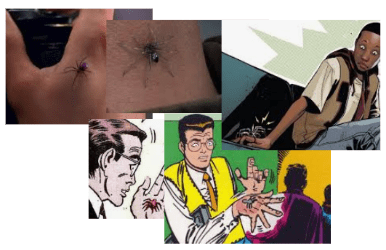
ORIGINS: SOMETIMES ITS NEEDED
At its best, an origin story can add depth to a character or world, enriching the narrative experience for audiences. Understanding the events that shaped a hero or villain can give their actions more weight and emotional resonance. For instance, Nolan’s Batman Begins provided a more psychologically complex version of Batman, exploring Bruce Wayne’s trauma and fear in a way that previous films had only hinted at.
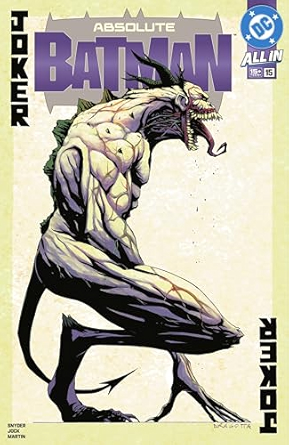
There’s also a certain satisfaction in seeing the pieces of a larger puzzle fall into place. Origin stories feed into the human need for causality—understanding why things happen. They explain how a character became who they are, and often, the journey itself is compelling. Watching Tony Stark transform from an arrogant weapons manufacturer to a self-sacrificing hero or seeing how the Joker’s chaotic nihilism is born from societal failure taps into deeper themes that resonate with audiences.
In many cases, the origin story also serves as a point of entry for new audiences unfamiliar with a particular character or franchise. By retelling a character’s beginnings, filmmakers can reboot a franchise without alienating newcomers. This can expand the audience base while preserving the character’s legacy for long-time fans.
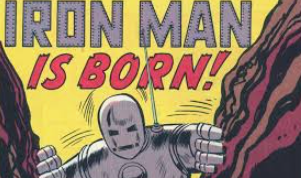
ORIGINS: MOSTLY ITS JUST LAZY
However, while origin stories can be effective, the sheer volume of them being churned out by Hollywood suggests a deeper issue: CREATIVE STAGNATION. As studios scramble to keep beloved franchises alive and to ensure box office success, they increasingly rely on well-worn formulas. The origin story, as it turns out, is an easy narrative shortcut for several reasons.
Built-in Audience Appeal: Established characters or franchises already have an existing fanbase, making origin stories an appealing choice for studios looking to guarantee box-office returns. Rather than take a risk on original stories or characters, studios find it safer to invest in properties with recognizable names. Rebooting or expanding on an existing character’s backstory promises a certain level of audience interest.
Simplistic Storytelling: Origin stories are, by their nature, straightforward. They often follow a clear narrative arc: a character starts as an ordinary person, faces adversity, and transforms into something extraordinary by the end. This template is easy to replicate, and its familiarity can make it an appealing choice for screenwriters. Yet, this formula can also become predictable and unoriginal, offering little more than rehashing past events with a different aesthetic.

Nostalgia Factor: Many origin stories are, in part, fueled by nostalgia. Revisiting the early days of a beloved character or franchise taps into the emotional attachment that audiences feel toward the original material. But too often, these films fail to add anything new to the character’s mythology, instead relying on recycled tropes or familiar beats. While nostalgia can be a powerful tool, it risks turning the audience’s affection for the past into a crutch, preventing studios from pushing forward with original stories.
Narrative Limitations: One of the key weaknesses of origin stories is their inherent limitation. They are, by definition, backward-looking. Once a character’s origin has been explored, there is often little room left for further development, and the focus on the past can stifle future storytelling potential. Many origin stories also fall into the trap of over-explaining, leaving little mystery for audiences to interpret on their own. For example, the enigmatic nature of Han Solo in the original Star Wars trilogy was part of his charm, and delving into his backstory in Solo: A Star Wars Story arguably removed some of that mystique without adding substantial new layers to the character.
CONGRATS DISNEY, YOU CREATED SUPERHERO FATIGUE
One of the biggest problems with the proliferation of origin stories is that they risk becoming redundant. When Spider-Man’s origin is retold in three different iterations over the span of two decades, it begs the question: how many times can the same story be told before it loses its impact?
The repetitiveness of origin stories also risks alienating audiences. Many fans are growing tired of the formulaic approach, leading to what some have termed “origin story fatigue.” While the first few iterations of a character’s backstory may be met with enthusiasm, each subsequent retelling becomes less compelling, particularly when the story hits the same beats.

Origin story fatigue is particularly evident in the superhero genre, where the reliance on origin stories has become so pervasive that it has led to parody. Films like Deadpool (2016) and The Lego Batman Movie (2017) poke fun at the trope, acknowledging its overuse and the audience’s growing impatience with seeing the same arcs repeated ad nauseam. Audiences, it seems, are becoming increasingly aware of the formulaic nature of these stories, and the novelty is wearing off.
LAZY APPROACH TO CONTINUITY
At its core, the rise of the origin story in modern storytelling can be seen as a symptom of a larger issue in Hollywood: the reluctance to innovate. While origin stories are often used to kickstart franchises, they can also be used as a way to extend the lifespan of a narrative without pushing it forward.
Rather than focus on new adventures, fresh conflicts, or character growth, filmmakers often turn to origin stories to fill in the gaps. This can be a lazy approach to continuity, as it avoids the challenge of moving the story forward in favor of revisiting familiar ground. This backward-looking approach can hinder long-term storytelling, as it prioritizes rehashing the past over exploring new and exciting directions.
Take the Star Wars franchise, for example. While the original trilogy focused on character growth and forward momentum, the prequels (The Phantom Menace, Attack of the Clones, and Revenge of the Sith) spent significant time explaining the origins of characters and conflicts that audiences were already familiar with. While the prequels have their merits, they arguably sacrificed narrative innovation for backstory exposition.

THE FUTURE OF THE PAST
The rise of the origin story is not necessarily a bad thing. When done well, it can add depth to characters and help audiences better understand their motivations and journeys. But the overuse of this narrative device has led to creative stagnation in both film and television. Hollywood’s reliance on origin stories as a safe bet often comes at the expense of more original, forward-looking storytelling.
Ultimately, the future of the origin story depends on how filmmakers choose to wield it. Will it continue to be a crutch, used to rehash familiar narratives for easy box-office success? Or will creators find ways to innovate within the genre, using origin stories to explore new perspectives and push storytelling boundaries?
As audiences grow increasingly weary of the same recycled plots, the answer may lie in finding a balance—drawing from the past while looking toward the future. After all, the best stories are not just about how a character begins, but where they go from there.

 The Daily Think
Leave a comment