SPOILER: NOT ABOUT THE 2024 PRESIDENTIAL ELECTION
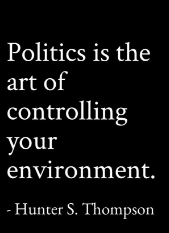
The dust and chaos settle as Election Day fades into memory, yet the aftermath lingers like a hangover after too many cheap cocktails. Half of America, bleary-eyed and bitter, stumbles forward under the blinding fluorescent lights of democracy. You see, this is no simple disagreement, no polite dispute over brunch choices. Americans don’t take their elections lightly. Oh no. They take them hard, like a slap across the face or a wrong turn off a cliff. To lose, for the average American, is to tumble into a pit of political despair that might last months, maybe years. To win is to catch a fleeting glimpse of paradise, the world momentarily aligned to your vision, even if deep down you know it won’t last.
But why do Americans get so worked up about these elections? Why do they cling to their candidates like drowning sailors to life vests? And why, when the candidate they’ve hitched their hopes to loses, do they react with such raw agony? The answer, perhaps, lies somewhere in the murky waters of American identity, a brew of ideals, desperation, and a desperate hunger for a savior — someone to make things right in a nation that can feel irreparably broken.
The Candidate as Savior

In the American mind, the President isn’t just a bureaucrat or a cog in the machine. No, the President is the captain steering the whole damn ship, the figurehead of the national psyche, a messiah in a custom suit and American-flag lapel pin. And when you throw your weight behind a candidate, you’re not just supporting a person; you’re endorsing a whole worldview, a vision for the future. Every issue — the economy, healthcare, guns, climate change — is wrapped up in this one person. For those who lose, it’s as if the future itself has been handed over to the enemy, a marauder coming to burn their values to the ground.
It’s not enough that their candidate lost; it’s that the other side, their philosophical adversaries, have won. And in the uniquely American mindset, winning and losing are not about mere outcomes — they’re about salvation and damnation. Americans want to believe in heroes, and they want to believe that heroes can save them. When their hero doesn’t pull through, it’s not a simple loss. It’s existential betrayal.
Politics as Religion
Politics in America has transformed into something approaching religious fervor. If you’ve ever been to a rally, you know the energy is electric, bordering on revivalist zeal. Banners wave, chants rise, and the candidate becomes a sort of prophet for the people, promising deliverance from whatever evils the crowd perceives. For the true believers, a candidate isn’t just a politician — they’re a saint, a defender against the forces of darkness.
And when your saint loses, well, it’s akin to a crisis of faith. The structure you’ve relied on to give your life meaning, the moral compass guiding your path, crumbles underfoot. Losing a presidential election feels like watching the walls of your church collapse, and for many, that’s exactly what it is. It’s the apocalypse without the rapture, a loss of something so fundamentally tied to their identity that recovery seems impossible. In this sense, American elections aren’t just political contests — they’re battles for the nation’s very soul.
The Media Circus

The American media machine doesn’t help, either. For months, Americans are subjected to a relentless barrage of ads, talking heads, and expert analyses, all designed to stoke the fires of anticipation, to make each election seem like the most important in history. Every election becomes “a turning point,” a “moment that will define a generation.” Pundits scream it from the rooftops, talk shows rehash it until it’s imprinted on the psyche of every citizen from the bustling streets of Manhattan to the dusty plains of Kansas.
When you’ve been told, day in and day out, that this election is the “last chance” to save the country, and your side loses, it’s not just a disappointment. It’s a collapse. The stakes, real or imagined, have been driven to an astronomical height. Losing becomes unbearable, not because it’s just another election cycle, but because the constant drumbeat has convinced people that it’s this moment, right now, that determines the fate of the republic.
The Cult of Personality
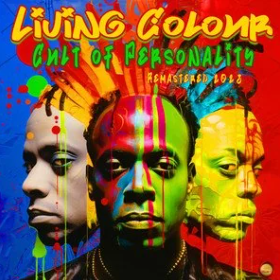
Besides being a great Living Colour song, the Cult of Personality has taken over American politics and its deeply personal as elections are increasingly defined by the personality of the candidates. It’s no longer just about policy; it’s about identity. Candidates are marketed like brands, their personalities, quirks, and flaws magnified until they become larger-than-life figures. People aren’t just voting for policies — they’re voting for people they feel they know, people they might even feel a strange kind of friendship with. Losing becomes personal, a break-up of sorts with someone they admired, someone they trusted.
This attachment is especially potent when it comes to charismatic figures who seem to embody a set of values or ideals. They become avatars for their supporters’ identities, standing in for the aspirations and frustrations of the average citizen. When they lose, it feels like a personal attack on everyone who believed in them, a rejection of the ideas and dreams they’ve pinned on that candidate’s shoulders. And like all heartbreaks, it stings with an intensity that reason alone can’t heal.
The High-Stakes Battle of “Us vs. Them”
American elections thrive on division, and in recent years, the country has become a patchwork of tribes with little in common except a shared dislike of the other side. Politics has descended into a hyper-partisan, winner-take-all bloodsport. For some, to lose isn’t just to lose power; it’s to hand the keys to “the enemy.” The “us vs. them” mentality makes every loss feel like a life-or-death struggle, where one side believes the other will dismantle everything they hold dear.
Imagine you’ve been told, through media, friends, and family, that the opposition is actively working against your interests, that they’re plotting to unravel the very fabric of society. In such a climate, a loss feels like surrender to a dangerous force, an admission of defeat not just in the election but in a cultural and moral war. To lose is to become vulnerable, to face the horrifying prospect of a country remade in the image of the people you most fear.
The Promise of Change — and Its Eternal Frustration
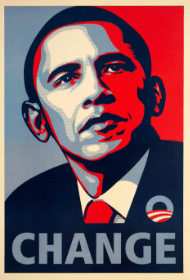
Americans, for all their faults, are optimists at heart. Each election, they are sold a vision of change, a brighter future where all the problems — poverty, violence, corruption — are tackled head-on and vanquished. They want to believe that, this time, their candidate will make it happen. They see their hopes and dreams projected onto that office in Washington, a pulpit from which their vision of America could become reality.
Yet, year after year, administration after administration, the promised changes rarely materialize in the way people hoped. This cycle of expectation and disappointment only raises the stakes further. Each new election becomes another chance, perhaps the last, to finally achieve the dream. And when that chance is snatched away, when the dream is deferred yet again, the disappointment is crushing. The anger, the sense of betrayal, is all the more intense because it’s not just this election that’s been lost. It’s a lifetime of hope, drained away with each defeat.
The Bitter Pill

The American obsession with winning and losing reaches its fever pitch in every presidential election. The stakes seem enormous, the consequences personal, the divisions irreconcilable. For many Americans, each loss is like staring into the void, a profound rejection of their beliefs, values, and vision for the future. It is the nature of democracy, perhaps, to make victors and losers alike question whether the system they trust can truly reflect their deepest aspirations.
In the end, maybe Americans take presidential elections hard because they believe in the promise of democracy too deeply to accept that it can, and sometimes does, fail them. Each election is another act of faith, another wager that their side, their values, will finally prevail. And when they lose, it’s as if that faith has been shattered — at least until the next election rolls around, bringing with it a fresh wave of hope and a new chance to dream.



 The Daily Think
Leave a comment