We here at THINKNEWSNOW have been trying to provide AI concepts from a historical perspective and want to introduce an oldie but goodie to go along with the Uncanny Valley, the Singularity and now we have the Eliza Effect. In 1966, a computer program named ELIZA was created by Joseph Weizenbaum to simulate conversation. Designed as a simple chatbot mimicking a Rogerian psychotherapist, ELIZA was little more than a clever set of pattern-matching algorithms. Yet, to Weizenbaum’s astonishment, people formed emotional connections with it, attributing human-like empathy and intelligence to the program. This phenomenon, now known as the Eliza Effect, describes our tendency to anthropomorphize machines, projecting human qualities onto software that has none.
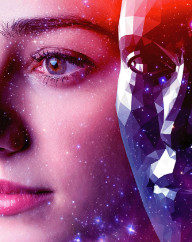
Fast forward to today, and the Eliza Effect has gone from an amusing quirk of human psychology to a potentially dangerous societal trend. With AI tools becoming increasingly sophisticated, many young men and women are finding themselves lured into relationships of sorts with these digital entities. Whether it’s using AI chatbots for companionship, advice, or even romantic connections, the consequences of this growing dependency are profound and multifaceted.
The Rise of AI Relationships
AI tools like ChatGPT, Replika, and similar systems have reached a level of sophistication that makes them seem genuinely empathetic, insightful, and engaging. They are available 24/7, never judge, and adapt to user preferences, creating the illusion of a perfect companion. For individuals struggling with loneliness, social anxiety, or trauma, these AI tools can feel like a lifeline. But at what cost?

The appeal is understandable. Real human relationships are messy, require effort, and carry the risk of rejection. AI, on the other hand, provides a controlled environment where users can experience a facsimile of connection without vulnerability. However, this convenience comes with significant dangers.
A Minecraft Date is not a Real Date!
Erosion of Real-Life Social Skills
Relying on AI for companionship can stunt the development of crucial interpersonal skills. Communication, empathy, and conflict resolution are honed through real human interaction. Over time, individuals who default to AI may find it increasingly difficult to navigate the complexities of real-world relationships.
False Sense of Connection
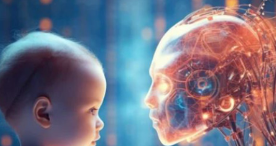
AI chatbots can simulate empathy and understanding, but they lack genuine emotions or consciousness. Users may invest emotionally in an entity incapable of reciprocation, leading to feelings of emptiness and disillusionment.
Exploitation and Manipulation
Companies developing AI tools often monetize user interactions. Personal data may be collected, analyzed, and sold, raising privacy concerns. Worse, as AI becomes more sophisticated, it could be weaponized to manipulate users’ emotions, behaviors, or purchasing decisions.
Reinforcement of Isolation
Instead of addressing the root causes of loneliness or isolation, AI relationships may exacerbate these issues. Users might retreat further from real-world connections, creating a cycle of dependency on artificial companionship.
Ethical and Moral Implications
As AI tools blur the lines between machine and human, ethical questions arise. What responsibilities do developers have in creating entities designed to evoke emotional responses? Should there be limits on how AI can simulate intimacy or friendship?
Benefits of an AI Friend!?
Despite the dangers, there are undeniable benefits to having an AI friend, lover, or confidant, especially when used responsibly:
Accessible Support
AI chatbots are available 24/7, providing immediate companionship and support in moments of distress or loneliness. For individuals without access to traditional support networks, this can be invaluable.
Non-Judgmental Interaction
Unlike human relationships, AI offers a judgment-free zone. This can be particularly helpful for people dealing with social anxiety or those who fear rejection.
Personal Growth
AI tools can serve as sounding boards, helping users practice communication skills, articulate their thoughts, or work through complex emotions in a safe environment.
Mental Health Adjunct

When integrated with therapeutic approaches, AI can help users monitor their mental health, track moods, and develop coping strategies.
Convenience and Customization
AI systems adapt to user preferences, offering tailored interactions that feel personalized and relevant. This customization can enhance the user’s sense of being understood.
We Need To Control our AI Dependency
The increasing reliance on AI as partners, friends, or lovers is not an inevitable downfall but a challenge that can be mitigated with thoughtful intervention. Here’s how we can address the issues:
Promote Digital Literacy
Educating people about the limitations and capabilities of AI is crucial. Users should understand that these systems, no matter how advanced, are ultimately tools—not sentient beings. Greater awareness can help prevent the Eliza Effect from taking hold.
Encourage Real-World Connections
Society must prioritize creating opportunities for genuine human interaction. Community-building initiatives, mental health support, and social skill workshops can help individuals connect in meaningful ways.
Implement Ethical Guidelines
Developers and tech companies should adhere to strict ethical guidelines. This includes transparency about data usage, limits on AI’s ability to simulate intimacy, and safeguards against emotional manipulation.
Therapeutic Integration
AI tools can have value when used as adjuncts to therapy or counseling. Under professional guidance, they can help users work through challenges without replacing human interaction.
Regulation and Oversight
Governments and regulatory bodies must step in to oversee the development and deployment of AI systems. Ensuring accountability can prevent exploitative practices and protect vulnerable users.
Foster Emotional Resilience
Addressing the root causes of loneliness and isolation is key. Schools, workplaces, and communities should prioritize mental health, fostering environments where individuals feel valued and connected.
Coexist Bumper Stickers To Add AI Symbol?
AI technology is here to stay, and its potential benefits are undeniable. From improving access to mental health resources to enhancing productivity, these tools have the power to transform lives for the better. However, the Eliza Effect serves as a cautionary tale, reminding us of the dangers of over-reliance on machines for emotional fulfillment.

As we navigate this brave new world, we must remember that true connection—the kind that nourishes and sustains us—can only come from other humans. By striking a balance between embracing innovation and preserving our humanity, we can ensure a future where AI enhances our lives without replacing what makes us truly human.



 The Daily Think
Leave a comment