
Okay, so maybe you can’t download TikTok anymore, and you can’t access it, but is it the end of the world? Is this an attack on free speech? Or is it an attempt to control the tools that can be used to control the people? TikTok is dangerous, but so is Meta, Insta, Google, and Reddit if put in the wrong hands. But, In recent years, governments worldwide have grappled with the challenges posed by software platforms that wield significant social, economic, and political influence. TikTok, the popular short-form video app owned by the Chinese company ByteDance, has become a focal point of controversy due to its massive global user base and alleged security risks. Banning TikTok and similar programs raises complex questions about national security, freedom of expression, economic implications, and the role of technology in society. While some argue that such bans are necessary to protect national interests, others caution against the far-reaching consequences of restricting access to digital platforms.
YOUR HONOR MY CASE AGAINST TIKTOK
Proponents of banning TikTok often cite national security concerns as the primary justification. Governments, particularly in the United States, have raised alarms about TikTok’s data collection practices. Critics claim that the app gathers extensive user data—including location, device information, and browsing habits—which could be accessed by the Chinese government under its national security laws. In 2020, the Trump administration issued an executive order to ban TikTok, citing these concerns, although the ban was ultimately not enforced. Similar measures have been discussed in countries like India, Australia, and the United Kingdom.
In addition to security risks, the potential for propaganda and misinformation further supports calls for regulation. Social media platforms like TikTok can amplify disinformation campaigns, shape public opinion, and influence electoral processes. This has prompted some governments to view such platforms as tools for foreign interference, justifying their restriction in the name of protecting democratic institutions.
Economic factors also play a role. By banning TikTok, governments may aim to reduce reliance on foreign technology and bolster domestic alternatives. This strategy aligns with the concept of digital sovereignty, where nations seek greater control over their digital ecosystems. India’s 2020 ban on TikTok and dozens of other Chinese apps, for example, was framed as a way to encourage homegrown innovations and safeguard data sovereignty.
YOUR HONOR MY DEFENSE FOR TIKTOK
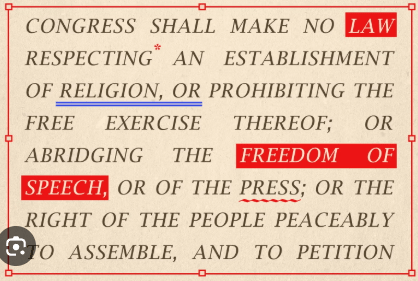
While the arguments for banning TikTok may appear compelling, they are not without significant drawbacks. First and foremost, such bans often raise concerns about censorship and freedom of expression. Critics argue that restricting access to TikTok infringes upon individual rights and sets a dangerous precedent for broader limitations on digital platforms. In democratic societies, this can lead to tensions between upholding security and preserving civil liberties.

Moreover, banning platforms like TikTok does not necessarily eliminate the underlying risks. Users often find ways to bypass restrictions through virtual private networks (VPNs), undermining the effectiveness of such measures. This was evident in India, where TikTok’s ban led to a surge in VPN downloads and alternative app usage. As a result, governments may expend significant resources enforcing bans without achieving their intended objectives.
The economic consequences of banning popular platforms are also worth considering. TikTok, for instance, has become a vital tool for content creators, small businesses, and marketers to reach global audiences. A ban disrupts these ecosystems, leading to job losses and reduced opportunities for creative expression. In the U.S., TikTok’s popularity among younger demographics has created a thriving creator economy, which could be jeopardized by a ban.
WHAT OTHER BANS HAVE TAUGHT ME
TikTok is not the only software to face scrutiny or outright bans. Over the years, governments have imposed restrictions on various digital platforms for reasons ranging from security to political control.
India’s Ban on Chinese Apps:
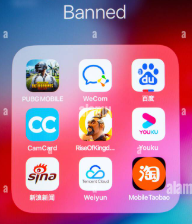
In 2020, India banned over 200 Chinese apps, including TikTok, WeChat, and PUBG Mobile, citing national security concerns following border clashes with China. The ban was part of a broader strategy to reduce dependence on Chinese technology. While the move was hailed by some as a bold step toward digital sovereignty, critics argued that it disrupted the livelihoods of millions of content creators and businesses.
Russia’s Control of Social Media:
Russia has implemented strict regulations on platforms like Facebook, Twitter, and YouTube, often citing the need to combat misinformation and uphold national security. However, these measures are widely seen as tools to suppress dissent and control information. By creating domestic alternatives like VKontakte (VK) and RuTube, Russia has sought to establish a controlled digital ecosystem, but at the cost of limiting global connectivity for its citizens.
China’s Great Firewall:
China’s approach to internet governance—commonly referred to as the Great Firewall—is one of the most extensive examples of state control over digital platforms. By banning global giants like Google, Facebook, and Twitter, China has fostered the growth of domestic alternatives such as Baidu, WeChat, and Weibo. While this strategy has enabled China to maintain strict control over online content, it has also isolated its citizens from the broader global internet.

IS IT SECURITY YOU’RE PROTECTING OR FREEDOM YOU’RE STEALING
The debate over banning TikTok and similar platforms highlights the broader challenge of balancing security and freedom in the digital age. Governments must weigh the potential risks posed by foreign software against the benefits of open access to information and technology. Achieving this balance requires nuanced policymaking that addresses specific concerns without resorting to blanket bans.
One potential solution is enhanced regulation. Instead of banning platforms outright, governments could impose stricter data protection requirements, mandate transparency in algorithms, and enforce compliance with local laws. For example, the European Union’s General Data Protection Regulation (GDPR) provides a robust framework for safeguarding user data, which could serve as a model for addressing concerns about TikTok and similar apps.
Another approach is fostering international cooperation. By working with allies and partners, governments can establish global standards for data security and platform accountability. Collaborative efforts can help mitigate risks while preserving the benefits of global connectivity.
ULTIMATELY WE NEED TO UNDERSTAND WHAT WE SIGNED UP FOR
Beyond government action, public awareness plays a critical role in addressing the challenges posed by platforms like TikTok. Educating users about data privacy, online security, and the implications of algorithmic content delivery empowers individuals to make informed choices. Encouraging digital literacy can reduce vulnerabilities and promote responsible platform usage.
MY LAST TIKTOK VIDEO (ACTUALLY NEVER MADE ONE)
The debate over banning TikTok and other software programs reflects the broader tensions between security, freedom, and technological innovation. While concerns about data privacy, misinformation, and foreign influence are valid, outright bans often lead to unintended consequences, including censorship, economic disruption, and reduced opportunities for global collaboration. To address these challenges effectively, governments must adopt balanced and forward-thinking policies that protect national interests while preserving individual rights and fostering innovation. Ultimately, the goal should be to create a digital ecosystem that is secure, inclusive, and resilient in the face of evolving threats.



 The Daily Think
Leave a comment