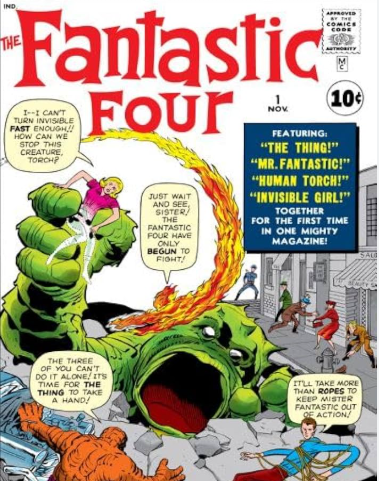
Imagine it’s 1961, stuff is cheap, and the world is kind of scary with the whole nuclear winter threat hanging over your head. There were no Super Bowls yet, and CGI didn’t exist yet either, so what could you do with your time. How about comic books or “funny books” at your local drug store (oh comic bookstores weren’t invented yet either btw)? Your choices were limited to DC and Orphan Annie and Archie, but then you see this one called The Fantastic Four. Hmmmm writer Stan Lee and artist Jack Kirby created a family of 4 people with unique powers amongst them and even better some camaraderie. You had a bulky orange rock man who could battle tough guys, a flying fire man firing blasts of flame, an invisible woman, and a stretch Armstrong genius! This little team would eventually revolutionize comic books by introducing a level of complexity and humanity that had rarely been seen before. Beyond their individual importance, the Fantastic Four also gave the Marvel Universe its most iconic and powerful villain: Doctor Doom.
The Birth of Marvel’s First Family
Before the Fantastic Four’s debut, superhero comics were struggling to find relevance. Characters like Superman, Batman, and Wonder Woman dominated the Golden Age, but by the late 1950s, many felt that superheroes had become formulaic and unrelatable. Stan Lee, on the verge of quitting the comic book industry, decided to create a team that would stand apart from anything readers had seen before. The Fantastic Four were born as a flawed, dysfunctional family—a stark contrast to the perfect, all-powerful heroes of the past.
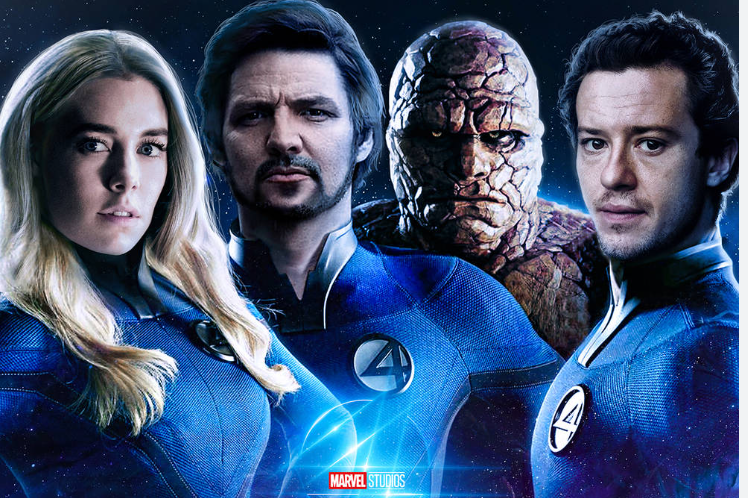
Reed Richards (Mr. Fantastic), Susan Storm (Invisible Woman), Johnny Storm (Human Torch), and Ben Grimm (The Thing) were not just teammates; they were a family. This dynamic gave their stories a sense of realism. They bickered, made mistakes, and struggled with their roles as heroes and individuals. The Fantastic Four introduced the idea that heroes could be imperfect, relatable, and still aspirational. Their creation marked the birth of the modern Marvel Universe.
Pioneers of the Marvel Universe
The Fantastic Four’s significance extends beyond their individual stories. They are responsible for introducing many of Marvel’s most iconic concepts, characters, and settings. For instance:
The Negative Zone: A parallel dimension that became a recurring location in Marvel comics.
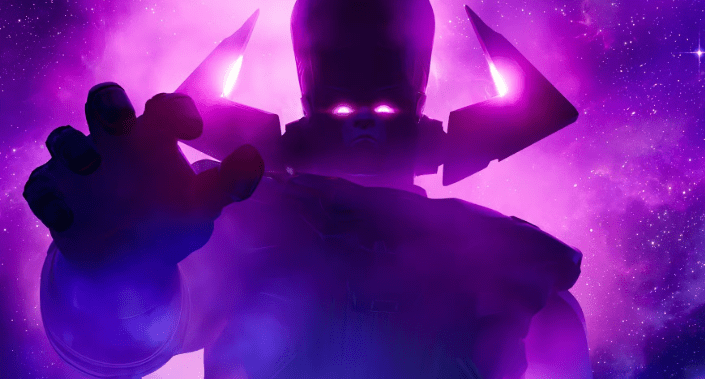
Galactus and the Silver Surfer: The introduction of Galactus, a cosmic entity who devours planets, and his herald, the Silver Surfer, expanded the Marvel Universe into the realm of cosmic storytelling.
The Inhumans and Black Panther: Through their adventures, the Fantastic Four introduced important characters like the Inhumans and Black Panther, the latter being Marvel’s first Black superhero.
The team’s scientific exploration and discoveries often served as a springboard for the Marvel Universe’s expansion. Whether it was exploring alternate dimensions, facing off against alien invaders, or battling cosmic threats, the Fantastic Four’s adventures laid the groundwork for much of Marvel’s world-building.
Birth of a Superstar: Doctor Doom
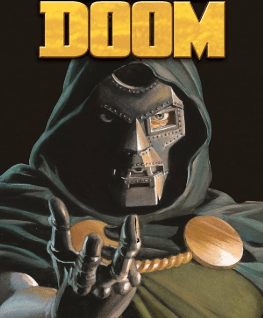
If the Fantastic Four represent the heart of the Marvel Universe, Doctor Doom represents its soul—a dark, complex reflection of humanity’s ambition and flaws. Introduced in Fantastic Four #5 (July 1962), Doctor Doom (Victor Von Doom) quickly established himself as one of Marvel’s greatest villains, a status he maintains to this day.
Doom’s Origin: A Tragic Genius
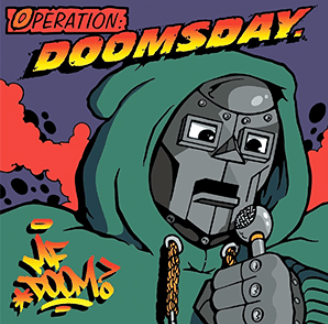
Victor Von Doom’s backstory is as compelling as it is tragic. Born in the small Eastern European nation of Latveria, Doom was the son of a Romani healer and a genius even as a child. His mother’s soul was claimed by Mephisto, a trauma that would shape Doom’s obsession with power and control. Doom’s brilliance earned him a scholarship to Empire State University, where he met Reed Richards. However, Doom’s arrogance and refusal to heed Richards’ warning about a flaw in his experiment led to an accident that disfigured his face and set him on a path of vengeance and conquest.
This blend of genius, tragedy, and hubris makes Doom a uniquely compelling character. He is not evil for the sake of being evil; he genuinely believes that his rule would bring peace and prosperity to the world. His motivations are rooted in pain and ambition, making him one of the most layered characters in the Marvel Universe.
The Dynamic Between Doom and the Fantastic Four
Doctor Doom’s rivalry with the Fantastic Four, and Reed Richards in particular, is one of the most enduring and fascinating conflicts in comic book history. Doom’s hatred for Richards is deeply personal; he views Reed as a symbol of everything he could have been if not for the fateful accident that scarred him. Doom’s envy of Richards’ intellect and his desire to prove his superiority drive many of his schemes.
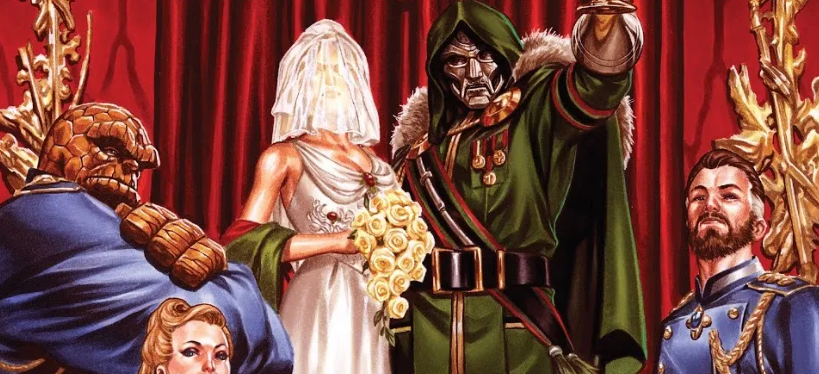
However, their relationship is not one-dimensional. Doom’s interactions with the Fantastic Four often reveal a grudging respect for his adversaries. He admires Sue Storm’s compassion, Johnny Storm’s bravery, and even Ben Grimm’s resilience. This complexity adds depth to their battles, elevating their conflict from simple hero-villain tropes to a nuanced exploration of pride, jealousy, and morality.
Doom as the Ultimate Villain
Doctor Doom’s influence extends far beyond his battles with the Fantastic Four. As a character, he embodies the archetype of the tragic villain—a figure whose flaws and hubris lead to his downfall, even as his brilliance and determination make him a formidable adversary. Doom has been at the center of many of Marvel’s most significant storylines, including:
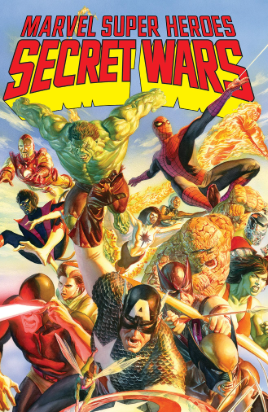
“Secret Wars” (1984-1985): Doom seizes the power of the Beyonder, becoming a god-like entity. This storyline highlights Doom’s ambition and the inherent contradictions in his character: he seeks ultimate power but struggles to wield it responsibly.
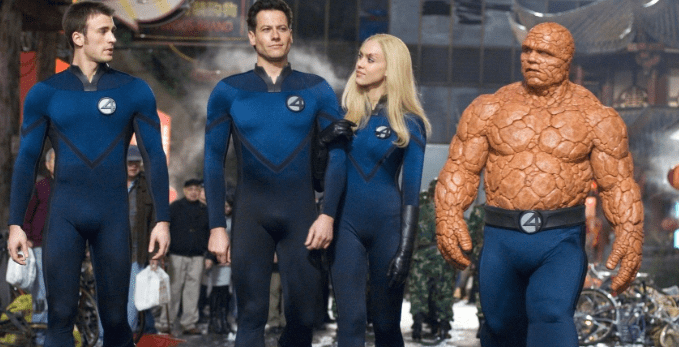
“Doomwar” (2010): Doom takes on the entire nation of Wakanda in a bid to steal its vibranium, showcasing his strategic genius and his willingness to take on even the most formidable opponents.
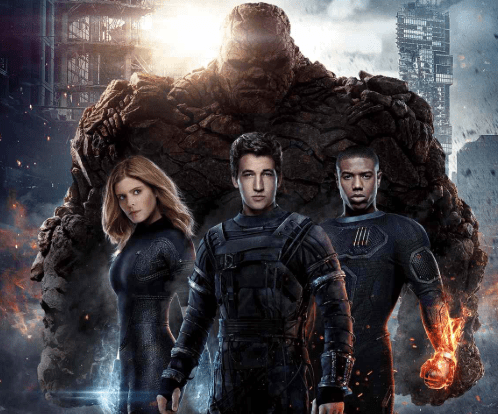
“Infamous Iron Man” (2016-2018): After the apparent death of Tony Stark, Doom takes up the mantle of Iron Man, attempting to redeem himself. This arc explores Doom’s capacity for change and his struggle to reconcile his past with his desire to be a hero.
The Fantastic Four’s Legacy in the Marvel Universe
Beyond their role as heroes, the Fantastic Four represent a cornerstone of Marvel’s ethos. They are a reminder that heroism is not about perfection but about perseverance and humanity. Their stories emphasize themes of family, exploration, and responsibility, making them some of the most relatable and enduring characters in Marvel’s pantheon.
Their Cultural Impact
The Fantastic Four’s debut in 1961 marked a turning point in the comic book industry. They set the stage for Marvel’s “Silver Age,” inspiring the creation of other iconic teams like the Avengers and the X-Men. Their success proved that superheroes could be complex, flawed, and relatable, paving the way for the rich, interconnected Marvel Universe we know today.
Doom’s Enduring Popularity
Doctor Doom’s role as the ultimate Marvel villain is equally significant. He is not just a foil for the Fantastic Four but a character who challenges every hero he encounters. Doom’s intelligence, ambition, and complexity make him a villain who transcends individual storylines, serving as a constant reminder of the dangers of unchecked power and hubris.
IN TOTAL
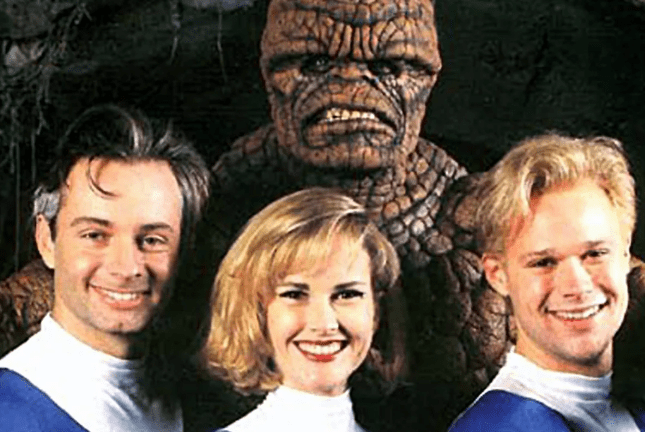
The Fantastic Four and Doctor Doom are indispensable to the Marvel Universe. The Fantastic Four’s groundbreaking stories introduced new dimensions of character development and world-building, shaping the way comics are written and enjoyed. Doctor Doom, their greatest adversary, is a testament to the power of nuanced storytelling—a villain who is as captivating as he is fearsome.
Together, they represent the duality of the Marvel Universe: the hope and heroism of the Fantastic Four, and the ambition and tragedy of Doctor Doom. Their legacy continues to influence not just comics but popular culture, proving that the best stories are those that explore the depths of humanity, both its light and its darkness.


 The Daily Think
Leave a comment