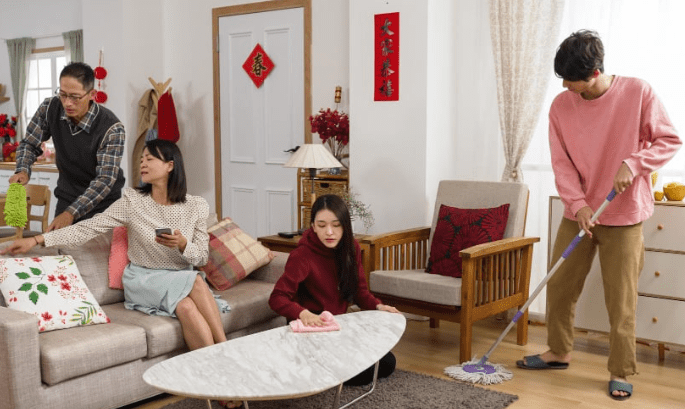
So, while all my friends are cleaning their house on Tuesday night, I had no idea why, but finally figured out it had to do with Chinese New Year, also known as the Spring Festival, and is one of the most significant celebrations in Chinese culture. Rooted in centuries-old traditions, this festival is filled with customs meant to bring good fortune and ward off bad luck. Superstition plays a major role in the festivities, influencing everything from what people wear to what they eat. The emphasis on luck and fortune is not just a seasonal affair; it reflects the deep-rooted beliefs that guide daily life in Chinese culture. We here at the DAILYTHINK present the top 10 Chinese New Year superstitions and explains why luck and superstition are so integral to Chinese society.
- Opening Doors and Windows at Midnight
To allow good fortune to enter and bad luck to leave, many families open their doors and windows at midnight on New Year’s Eve. This practice is believed to let the old year’s misfortune escape and welcome fresh, positive energy for the new year. Firecrackers are also set off at this time to scare away evil spirits, ensuring that the new year begins on a clean, auspicious slate. - Avoiding the Number Four
In Chinese culture, the number four (si) is associated with death because it sounds similar to the word for death in Mandarin and Cantonese. Because of this superstition, people avoid anything related to the number four during Chinese New Year. Gifts with four items, money amounts that include the digit, or even saying the number aloud are avoided to prevent inviting bad luck. - Keeping Lights On All Night
Many Chinese families keep their lights on throughout New Year’s Eve. This practice is based on the belief that turning off lights invites bad spirits or misfortune. Keeping the house well-lit ensures brightness and prosperity for the coming year. Parents especially keep lights on in children’s rooms to symbolize a bright future ahead. - No Lending or Borrowing Money
Financial transactions during Chinese New Year are carefully controlled. Borrowing money on this day is considered an invitation for a year of debt, while lending money might mean constantly giving away wealth throughout the year. To avoid bad luck, people settle their debts before the new year and refrain from discussing financial woes during the festival. - Eating Lucky Foods
Food plays a vital role in Chinese New Year celebrations, with many dishes chosen for their symbolic meanings. Fish (yu) is a must-have because it sounds like “abundance” in Chinese, and eating it ensures a year of surplus. Dumplings resemble ancient gold ingots and symbolize wealth. Longevity noodles are eaten to bring a long life, while glutinous rice cakes (nian gao) symbolize rising success. Every dish on the table has a purpose beyond taste—it is meant to bring prosperity, health, or happiness. - No Crying or Arguing
On New Year’s Day, crying, arguing, or using negative language is believed to set a bad precedent for the entire year. Parents often go out of their way to ensure children do not cry, sometimes even indulging them with sweets or toys. Similarly, families avoid conflict and harsh words, opting instead for an atmosphere of joy and harmony to welcome the new year on a positive note. - Giving and Receiving Red Envelopes (Hongbao)
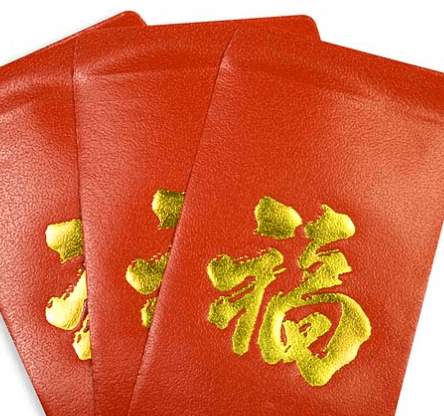
Red envelopes, or hongbao, are a crucial part of Chinese New Year. They are filled with money and given to children, unmarried adults, and even employees as a token of good luck. However, the amount of money must be chosen carefully—numbers containing “4” (which sounds like “death” in Chinese) are avoided, while numbers like 8 (which sounds like “wealth”) are favored. Even the act of receiving a red envelope requires etiquette, as it is customary to accept it with both hands as a sign of respect. - Wearing Red for Good Fortune
Red is the color of prosperity and happiness in Chinese culture, and during the New Year, it dominates clothing, decorations, and envelopes. It is believed that wearing red on New Year’s Day can ward off evil spirits and attract good luck. This belief originates from the legend of Nian, a mythical beast scared away by loud noises and the color red. Even those who do not normally wear red may don a splash of the color during the festival for extra good luck. - Avoiding Sharp Objects
During Chinese New Year, sharp objects like knives and scissors are best left untouched. Using them is thought to “cut” away good fortune. This means no haircuts, no sewing, and no unnecessary cutting. Many people get haircuts before the holiday to ensure they enter the new year with a fresh start—without accidentally severing their luck. - Cleaning the House—But Not on New Year’s Day
One of the most important pre-New Year customs is cleaning the house. Sweeping away dust and dirt symbolizes removing bad luck from the previous year to make room for good fortune. However, cleaning on New Year’s Day is strictly forbidden. It is believed that sweeping or taking out the trash on this day will “sweep away” wealth and prosperity. Many families complete their cleaning rituals before the festival and avoid brooms and mops on the first day of the lunar year.
Why Luck and Superstition Are Integral to Chinese Culture
Superstition and the pursuit of good fortune are deeply woven into the fabric of Chinese society. Unlike Western cultures that often emphasize individual effort and control over destiny, Chinese culture has historically embraced the concept of fate (mingyun) and harmony with cosmic forces (feng shui). The belief that one can influence their fortune through actions, symbols, and rituals is not just a New Year’s tradition—it is an everyday practice.
Cultural Roots in Daoism, Confucianism, and Buddhism
The prominence of luck in Chinese culture can be traced back to philosophical and religious traditions. Daoism emphasizes living in harmony with nature and cosmic energies, while Confucianism promotes order and rituals to maintain societal balance. Buddhism, with its teachings on karma and cycles of fortune, reinforces the idea that actions—both good and bad—shape one’s future. Together, these influences create a cultural mindset where small rituals can lead to significant effects on one’s destiny.
The Role of Symbolism in Daily Life
Symbolism plays a crucial role in Chinese superstitions, extending far beyond the New Year. From architecture designed to maximize positive energy (feng shui) to business names chosen for their lucky meanings, the belief in symbols guiding fortune is deeply ingrained. This extends to language, where homophones influence cultural practices—hence the avoidance of the number four and the preference for numbers like eight and nine, which are associated with prosperity and longevity.
Superstition as a Form of Psychological Comfort
Superstitions offer a sense of control in an unpredictable world. Following customs like avoiding negative words on New Year’s Day or wearing red provides reassurance that one is taking proactive steps toward a better future. Even those who do not fully believe in superstitions often participate in traditions out of respect for family and culture, reinforcing the collective importance of these practices.

HAPPY NEW YEAR!
Chinese New Year superstitions are more than just quirky traditions; they reflect a deep cultural belief in luck, symbolism, and the power of rituals. Each custom is designed to invite prosperity, happiness, and longevity while warding off misfortune. The emphasis on luck is not limited to the New Year but extends into everyday life, shaping everything from business decisions to personal relationships. While some may view these practices as outdated, they remain an essential part of Chinese identity, uniting generations in a shared hope for a bright and prosperous future.



 The Daily Think
Leave a comment