Ah, collective achievement—the wondrous, logic-defying phenomenon where the accomplishments of one human being miraculously bestow glory upon an entire group of people who had absolutely nothing to do with it. It’s a magical concept, really, allowing individuals to bask in the glow of a success they never worked for, all because they happen to share a skin tone, nationality, or last name with the actual achiever. If you’re looking for a way to claim greatness without doing anything remarkable, then collective achievement is the perfect delusion for you.

The Absurdity of ‘We Did It!’
Picture this: A brilliant scientist makes a groundbreaking discovery in genetics. The next thing you know, people who share his ethnicity start puffing their chests out, exclaiming, “We did it! Our people are geniuses!” Never mind the fact that these self-appointed co-achievers barely passed high school biology. Forget that they spent their time binge-watching reality TV while the actual scientist was conducting rigorous research. No, no—his achievement is somehow theirs, too. Because, of course, genius and success must be genetically transferable, right?
This phenomenon is most commonly seen in sports. An athlete from Country X wins a gold medal, and suddenly the entire population of Country X is taking a victory lap. “We are the best!” they declare. Oh really? You mean you, the guy sitting on the couch eating chips, are just as much a champion as the person who trained for years, adhered to a strict diet, and sacrificed their social life to reach the pinnacle of their sport? Fascinating.

When Ethnicity Becomes a Resume Booster
The idea that an individual’s success validates an entire ethnic group is particularly laughable. If a scientist, artist, or entrepreneur from a particular racial background achieves something extraordinary, their entire ethnicity suddenly has bragging rights. “See? Our people are brilliant!” Yet, when someone from the same group commits a crime or does something foolish, the narrative instantly shifts: “Well, that’s just one person; you can’t judge all of us based on his actions.” Ah, the sweet taste of selective association.
If collective achievement were valid, then collective failure would be, too. But notice how those who cling to the accomplishments of the few are always mysteriously silent when it comes to the failures of their group. That’s the beauty of cherry-picking—you get to claim greatness while conveniently discarding anything that might tarnish the illusion.
The Celebrity Effect: Your Race, Your Victory
Nowhere is the fallacy of collective achievement more evident than in the world of celebrities. A famous musician or actor of a particular ethnicity makes it big, and suddenly, their entire community walks around with a sense of pride as though they, too, were part of the Grammy-winning album or the Oscar-winning performance.
Take, for example, the obsession with representation in Hollywood. Whenever an actor of a certain background wins an award, social media explodes with, “This is a victory for all of us!” Really? Did you rehearse their lines? Did you wake up at 5 AM for casting calls? Did you endure years of rejection and hardship? No, but apparently, you still deserve credit because you share a similar ancestral background. Genius!
Collective Achievement: The Great Equalizer of Effort
The most hilarious aspect of collective achievement is how it completely ignores effort. True achievement comes from hard work, intelligence, discipline, and often a good amount of luck. But collective achievement lets anyone bypass those pesky requirements and go straight to the reward stage. Why work hard when you can just co-opt someone else’s accomplishments?
But let’s take this logic to its natural conclusion. If we’re going to claim the victories of people who look like us, shouldn’t we also share their burdens? Shouldn’t the financial success of the world’s wealthiest individuals be distributed among their ethnic or national group? Shouldn’t their bank accounts be communal property for all those who claim to be part of their ‘we’?
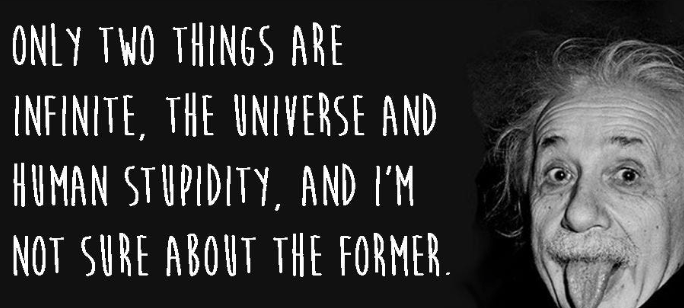
And if we’re going to assign collective credit for one person’s achievements, why stop at just race or nationality? Why not take it further? “Hey, Einstein was a physicist, and I, too, exist on planet Earth. Therefore, I am a genius.” It’s airtight logic!
The Dark Side of Collective Achievement
Beyond its comedic absurdity, the notion of collective achievement has some rather insidious implications. It encourages laziness and entitlement, fostering the idea that one need not strive for excellence because the achievements of a few will automatically elevate the many. It creates a distorted perception of reality, where people believe they are superior simply by association rather than by merit.
It also fuels division. The moment people start attributing individual achievements to an entire group, it naturally leads to an “us vs. them” mentality. If one group takes credit for a genius inventor, another group might feel the need to counter with their own historical genius, leading to endless and pointless debates over whose ancestors were smarter, stronger, or more artistic. Instead of inspiring individuals to pursue their own greatness, it fosters a culture of tribalism and passive pride.
The Path to True Achievement
The antidote to this fallacy is simple: personal responsibility. Instead of living vicariously through others’ achievements, people should focus on developing their own skills, pursuing their own goals, and earning their own accolades. Genuine pride should come from one’s own hard work, not from sharing a skin color or passport with someone who actually did something significant.
If you truly admire a great scientist, artist, or athlete, let their success inspire you to push your own limits rather than using it as a free pass to feel accomplished. Instead of saying, “We did it,” maybe try, “They did it—now let me go do something, too.”
In conclusion, the fallacy of collective achievement is a feel-good illusion that allows people to claim credit without contribution. It’s time to retire this lazy, self-congratulatory mindset and embrace the reality that true greatness comes from individual effort, not from mere association. If you want to be proud of something, earn it. Otherwise, enjoy living in the fantasy world where someone else’s work magically becomes your victory. It must be nice there.



 The Daily Think
Leave a comment