Why DC’s Absolute Lineup Is Working Better Than Marvel’s Ultimate Universe
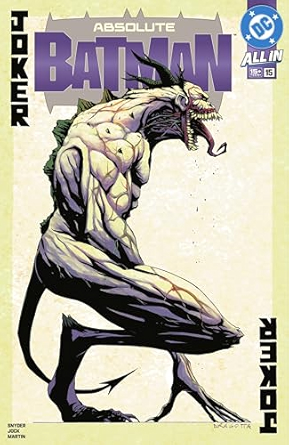
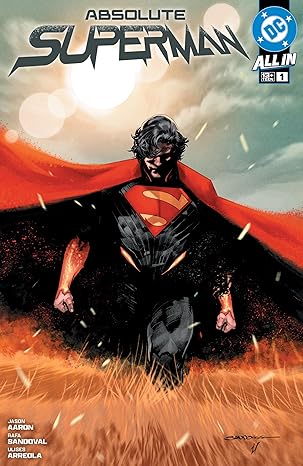
In the modern comics landscape, two alternate-universe publishing initiatives have captured the industry’s attention: DC Comics’ Absolute Universe and Marvel Comics’ Ultimate Universe (the new iteration launched 2023–2024). Both lines take iconic characters and reconstruct their mythologies in radically new ways. However, it’s DC’s Absolute line — led in particular by Absolute Batman — that has generated more consistent momentum, broader audience buzz, and stronger critical engagement in 2024–2025. By contrast, Marvel’s Ultimate Universe (including The Ultimates, Ultimate Spider-Man, Ultimate Avengers-style stories, and Ultimate Wolverine) has struggled to achieve the same cohesion and cultural impact.
To understand this dynamic, we’ll look at:
What the Absolute Universe is and why Absolute Batman has struck a nerve
How Marvel’s Ultimate Universe is structured and where key titles fall short
Comparisons of storytelling, thematic clarity, character reinvention, and audience reception
What each line reflects about broader trends in comics storytelling
I. The Absolute Universe: Bold Reinvention Anchored in Character
What is DC’s Absolute Universe?
DC’s Absolute Universe is a newly launched multiversal line that reimagines iconic DC heroes by stripping away familiar trappings and placing them in dramatically altered contexts. Rather than simply retelling classic origin stories with modern art, Absolute versions rethink the essence of each character’s identity and how they interact with their world. The first and flagship series of this line is Absolute Batman, written by Scott Snyder with art by Nick Dragotta.
This universe begins with a foundational change: Bruce Wayne isn’t the billionaire playboy philanthropist readers know — he’s a working-class civil engineer who builds his own gear and faces Gotham’s systemic corruption from the ground up.
Absolute Batman: The Narrative Core
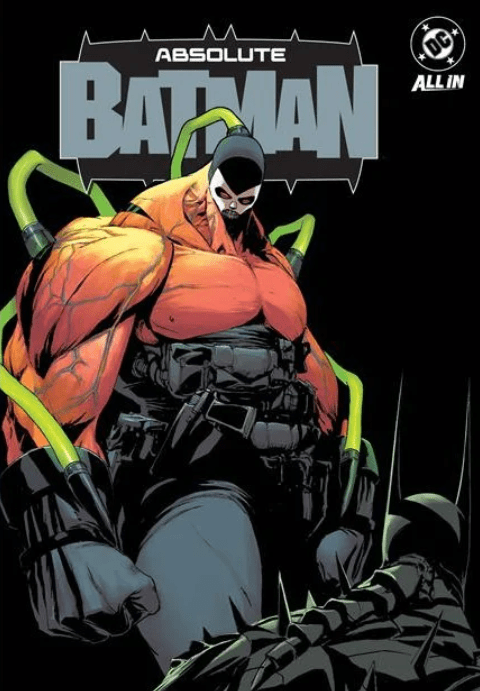
The hook of Absolute Batman isn’t just that Bruce Wayne is different — everything about his tools, allies, and villains is reframed to reinforce that difference. He fights with brutal, handcrafted weapons; his hideouts are improvised skyscrapers rather than the Batcave; Alfred isn’t a butler, but a hardened MI-6 agent; and Gotham’s systemic rot is more than a plot device, it’s the environment that shapes his crime-fighting philosophy.
In terms of story arcs, Absolute Batman has already taken readers through:
The Zoo — where Batman scrambles to defend Gotham against escalating criminal threats and a powerful villain’s machinations.
“Abomination” / “Absolute Zero” arcs — where social chaos and experimental cryotechnology tie into broader reflections on corporate power and scientific hubris.
A deeply reimagined Joker origin that reframes him not as a random criminal mastermind but as a centuries-spanning malevolent force rooted in Gotham’s hidden history.
Notably, the first issue of Absolute Batman became the best-selling comic of 2024 with hundreds of thousands of copies moving through multiple printings — an impressive feat in today’s market.
Why the Absolute Approach Resonates
There are several reasons Absolute Batman — and the Absolute Universe in general — connects with readers so strongly:
Clarity of concept: Absolute titles aren’t selling just nostalgia; they are selling reinterpretations that feel both familiar and radically new. This gives legacy fans something to debate and new readers a clear entry point.
Character reinvention with consequence: Bruce’s working-class background isn’t a surface change; it informs how he fights, how he thinks, and how his Gotham interacts with him. That consistently deepens character stakes.
Visual identity: Absolute art styles emphasize dramatic, oversized, and almost mythic designs, enhancing the sense that these aren’t just “alternate” stories — they are Absolute legends.
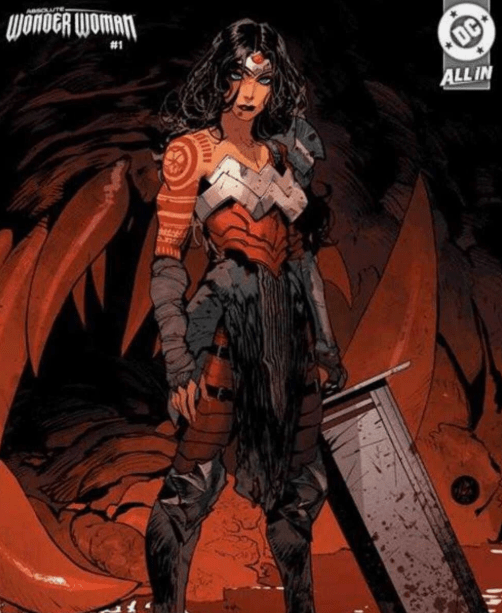
Narrative urgency: Each issue feels like it’s building toward something substantial, because character growth and escalating conflict are baked into the premise.
All these factors contribute to a buzz that’s measurable not just in sales but in cultural reach. Even non-comic fans have seen Absolute Batman trending as a meme and conversation topic on social platforms, generating interest beyond the traditional comics audience.
II. Marvel’s Ultimate Universe: Ambition and Fragmentation
What Is the Current Ultimate Universe?
Marvel’s Ultimate Universe has been rebooted in the mid-2020s after the original Ultimate Marvel imprint from the early 2000s. In the new version, the world’s heroes never got a chance to rise because the Maker (a twisted Reed Richards) altered history to prevent superheroes from emerging.
This sets up a global state where familiar characters like Spider-Man, Black Panther, and Captain America arise in radically different contexts. Titles include:
The Ultimates (2024) — Marvel’s current Avengers analog, led by Tony Stark’s Iron Lad and a diverse roster battling oppression under Maker’s rule.
Ultimate Spider-Man (2024 run) — focused on an older, married Peter Parker juggling family and hero life.
Ultimate X-Men and Ultimate Black Panther — other cornerstones of the Ultimate world.
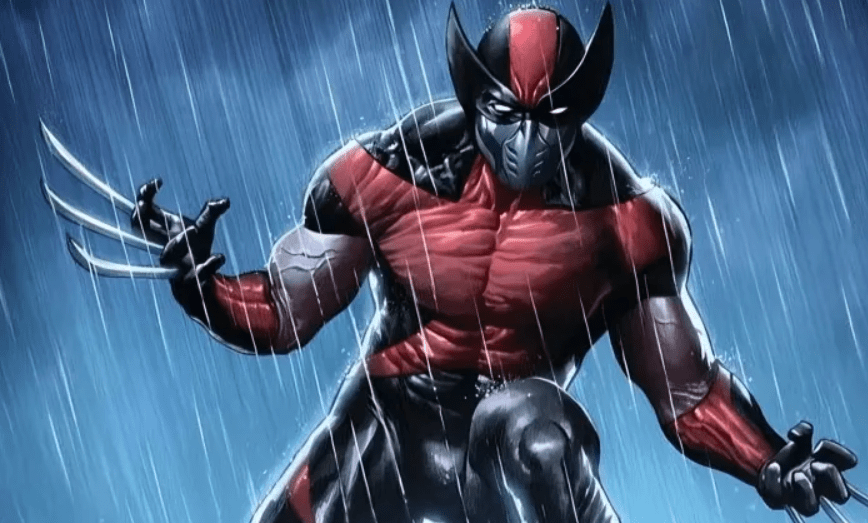
Ultimate Wolverine — a new series where Wolverine is deployed as a brainwashed Winter Soldier by the Maker’s Council.
Event series like Ultimate Endgame and one-shots that try to unify the line before it culminates.
Sample: Ultimate Avengers and Wolverine Storylines
While Ultimate Avengers in the original Ultimate line was a relatively self-contained reimagining of Captain America’s World War II mission and subsequent Avengers formation, the current Ultimate Universe doesn’t yet have a clear direct analog — instead its stories are more diffuse and interwoven into the broader universe.
Ultimate Wolverine, on the other hand, stands as a focal example of how this line reinterprets familiar archetypes: here Logan is the Maker’s Winter Soldier-style assassin, forced to serve powerful rulers like Magik, Colossus, and Omega Red until he breaks free.
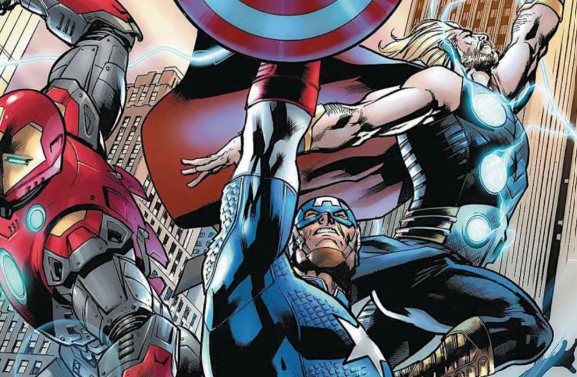
These kinds of dramatic reinterpretations are emblematic of the Ultimate line’s scope — but they also underline one of its weaknesses: the larger narrative has been slow to cohere into a compelling unified vision rather than a set of adjacent concepts.
III. Side-by-Side: Narrative, Cohesion, and Impact
- Narrative Cohesion and Linewide Momentum
One of the key points of contrast between the two lines is storytelling momentum.
DC’s Absolute Universe has Absolute Batman leading its launch with a character-driven story that feels complete and purposeful. The emotional beats build logically as Gotham is pushed to its limits, and each arc ties back into a central thematic exploration of identity, class, and corruption.
By contrast, Marvel’s Ultimate Universe is narratively sprawling: titles like The Ultimates, Ultimate Spider-Man, Ultimate X-Men, and Ultimate Wolverine all do intriguing work on their own, but there isn’t yet a central spine driving the whole line forward in a way that feels urgent to readers. Observers have noted that the Ultimate titles often feel like planting seeds for an eventual event, but without enough payoff to justify the wait.
In comics terms, this is the difference between a series of self-contained arcs that build a larger picture (Absolute) and a bunch of build-ups waiting for a big climax (Ultimate).
- Character Reinvention and Thematic Depth
Characters in the Absolute Universe are altered in ways that change who they fundamentally are: Batman isn’t just aged or gender-bent — his socioeconomic status is completely rewritten, influencing every choice he makes.
In the Ultimate Universe, many reinterpretations hinge on external forces like the Maker’s machinations or warped political conditions, but characters often feel like they are reacting to events rather than driving them. For example:
Ultimate Spider-Man’s novel choice to make Peter older and married provides fresh narrative ground, but the emotional stakes sometimes feel more derivative than transformative.
Ultimate Wolverine’s brainwashing concept is effective at altering Logan’s external behavior, but it’s an external manipulation rather than an internal evolution — which can leave the character feeling defined by plot device rather than inner growth.
This is not to say the Ultimate titles lack creativity — they often do — but when it comes to thematic resonance, Absolute’s deliberate refocusing of what a hero means tends to land more consistently.
- Accessibility and New Reader Engagement
Absolute’s clarity of concept has helped it break through to audiences who might otherwise not pick up comics. The striking visuals, clear premise, and buzz-worthy reinventions make it easy for newcomers to jump in. That’s reflected in sales — Absolute Batman broke sales records and even charted on the New York Times Best Sellers list.
Marvel’s Ultimate Universe, while popular among long-time fans, sometimes assumes a familiarity with franchise mechanics that can feel barriers for new readers until major events occur. Additionally, because the line is highly interconnected but not always narratively unified, new readers can struggle to find a single entry point.
- Cultural and Fan Reception
Online comics communities, retailers, and social media chatter have gravitated more enthusiastically toward Absolute’s offerings. Retailers report Absolute Batman selling out rapidly at many shops, while discussions around Ultimate titles often focus on long-term plot expectations rather than immediate intrigue.
There’s also a feedback loop where memes, TikTok trends, and social discourse amplify Absolute’s presence outside core comic book fandoms — something that doesn’t seem as pronounced for the current Ultimate line.
IV. Why This Matters — and What It Says About Modern Comics
The success of DC’s Absolute Universe versus Marvel’s Ultimate effort isn’t simply a matter of “which is better” in absolute terms — both lines have creative merits and strong individual titles. But at a macro level, the Absolute line has demonstrated that clarity of vision, deep character reinvention, and accessible entry points can translate into sustained audience growth, even in an era where comic sales are generally in flux.
Marvel’s Ultimate Universe, for all its ambition and interesting ideas, feels like it’s still finding its footing as a unified publishing initiative. When a line’s biggest strength is long-term payoff, it risks losing casual readers who binge-read complete catalogs rather than follow monthly releases.
At the same time, should the Ultimate Universe coalesce around a more compelling central narrative — say a well-executed “Ultimate Endgame” culminating in truly game-changing stakes — that dynamic could shift.
V. It’s Not Over Yet
In the ongoing battle for superhero comics supremacy, DC’s Absolute Universe is currently outperforming Marvel’s Ultimate Universe in terms of narrative impact, thematic clarity, audience buzz, and accessibility. Absolute Batman stands as a vivid example of how reinvention can be both thoughtful and wildly popular, anchoring a line that feels cohesive, purposeful, and exciting.
Marvel’s Ultimate Universe, with its sprawling titles and slow-burn structure, has a different appeal — especially for fans invested in layered world-building and ambitious crossovers. But right now, the Absolute line is capturing reader imagination first, proving that audacious reinvention doesn’t have to sacrifice character depth or emotional resonance to succeed — it can amplify them.

 The Daily Think
Leave a comment