Marty Supreme, Sinners, One Battle After Another, are all Oscar worthy films and may exist beyond tonight for years to come. And despite the content of the movies, the performances, and the creative process, the real story behind them are how they came about and WHO and HOW they produced them.
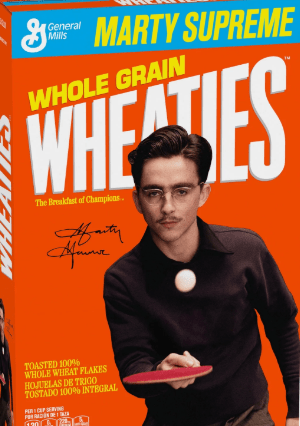
What to expect in this article:
Why culture functions like mental nutrition, shaping our beliefs, emotions, and worldview just as food shapes our physical health.
How movies, music, and media carry hidden “ingredients”—ideologies, assumptions, and corporate interests that influence how we think.
The importance of understanding who creates our culture, including their backgrounds, political histories, and motivations.
How cultural industries resemble industrial food production, prioritizing profit, predictability, and mass appeal over authenticity.
The difference between “organic” culture and “processed” culture, and how each affects our intellectual and emotional well‑being.
How culture shapes society, from political attitudes to social norms, often without our conscious awareness.
Why consumers must become more intentional, diversifying their cultural diet and supporting ethical, independent creators.
How algorithms and media consolidation influence what we see, and why cultural literacy is essential for navigating modern life.
A vision for a healthier cultural future, where transparency, diversity, and critical thinking guide our choices.
With that said, most people today understand the importance of paying attention to what they eat. We read ingredient labels, debate the merits of organic versus processed foods, and worry about pesticides, additives, and the long‑term effects of industrial agriculture. We know that food shapes our bodies, our health, and even our life spans. Yet, while we have become increasingly vigilant about what we put into our stomachs, we remain surprisingly careless about what we put into our minds.

Culture—movies, music, television, books, social media, and the personalities who create them—functions as a kind of mental nutrition. It feeds our beliefs, our values, our emotional lives, and our collective imagination. It shapes how we see ourselves, how we see others, and how we understand the world. And just like food, culture can be nourishing or toxic, organic or manufactured, authentic or engineered for mass consumption.

This essay argues that the culture we consume deserves the same level of scrutiny as the food we consume. We must consider not only the content itself but also the creators behind it—their backgrounds, their political histories, their incentives, and the systems that elevate certain voices while silencing others. Just as industrial food production has reshaped our diets, industrial culture production has reshaped our minds. And if we care about our intellectual and emotional well‑being, we must learn to examine culture with the same critical eye we apply to our diets.
Culture as Mental Nutrition
The Parallel Between Food and Culture
Food enters the body and becomes part of us. Culture enters the mind and does the same. The comparison is not metaphorical—it is literal. Neuroscience shows that repeated exposure to certain ideas, images, and narratives rewires neural pathways. Culture shapes our expectations, our fears, our desires, and our sense of what is normal.
Just as a diet of sugar and processed fats can lead to physical illness, a diet of sensationalism, propaganda, or shallow entertainment can lead to intellectual malnutrition. It can dull our critical thinking, distort our worldview, and make us more susceptible to manipulation.
The Hidden Ingredients of Culture
When we buy food, we expect ingredient labels. But culture rarely comes with such transparency. A film does not list the ideological assumptions baked into its script. A pop song does not disclose the corporate interests behind its production. A social media trend does not reveal the algorithms that amplified it.
Yet these hidden ingredients matter. They shape the emotional and psychological impact of the cultural product. They influence how we interpret the world and how we behave within it.
The Industrialization of Culture
Just as industrial agriculture transformed food into a mass‑produced commodity, the entertainment industry has transformed culture into a mass‑produced product. Movies, music, and media are often engineered for maximum profit, not maximum meaning. They are designed to be addictive, predictable, and easily digestible.
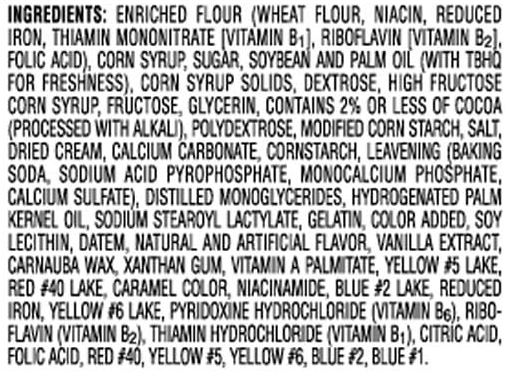
This industrialization creates cultural equivalents of fast food—content that is high in stimulation but low in substance. It satisfies immediate cravings but leaves us intellectually undernourished.
Who Makes Our Culture—and Why It Matters
Creators Are Not Neutral
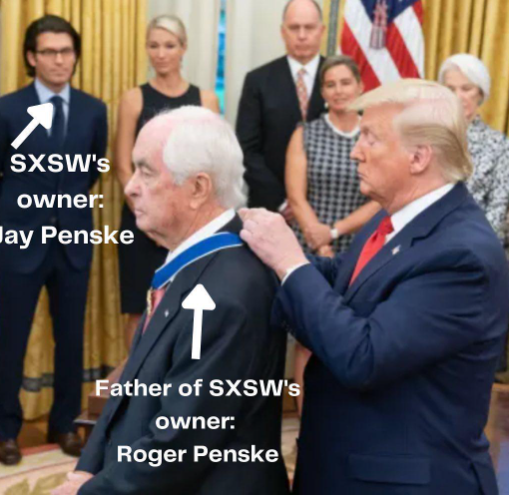
Every cultural product is shaped by the worldview of its creators. Directors, screenwriters, musicians, producers, and executives bring their own histories, biases, and political beliefs into their work. This is not inherently bad—art has always reflected the perspectives of its makers. But in a world where a handful of corporations control much of the cultural output, the influence of individual creators becomes amplified.
Understanding who creates our culture helps us understand the messages embedded within it.
The Political Histories of Cultural Producers
Creators do not exist in a vacuum. They are shaped by their upbringing, their education, their social circles, and their political environments. A filmmaker raised in a military family may portray war differently than one raised in a pacifist community. A musician shaped by activism may embed political messages in their lyrics. A producer with strong ideological commitments may greenlight certain stories while rejecting others.
These backgrounds influence:
- what stories get told
- which characters are portrayed sympathetically
- what conflicts are emphasized
- what values are celebrated or condemned
When we consume culture without understanding its origins, we risk absorbing someone else’s worldview without realizing it.
The Power Structures Behind Cultural Production
It is not only individual creators who matter but also the institutions that fund and distribute their work. Major studios, record labels, streaming platforms, and media conglomerates have enormous influence over what becomes popular. Their decisions are shaped by:
- economic incentives
- political pressures
- public relations concerns
- relationships with governments or corporations
- cultural trends they want to encourage or suppress
These institutions act as gatekeepers. They decide which voices are amplified and which are marginalized. They shape the cultural landscape in ways that reflect their own interests.
How Culture Shapes Society
Culture as a Teacher
Culture teaches us how to behave. It teaches us what to value, what to fear, and what to aspire to. It teaches us how relationships should look, how conflicts should be resolved, and what a meaningful life entails.
- Movies teach us what love looks like.
- Music teaches us how to express emotion.
- Television teaches us what “normal” families look like.
- Social media teaches us what success looks like.
- These lessons accumulate over time, shaping our collective consciousness.
Culture as a Political Force
Culture influences politics not by telling people what to think but by shaping how they think. It frames issues, defines narratives, and sets the boundaries of acceptable opinion. It can normalize certain ideas while making others seem radical or unthinkable.
For example:
- Films about law enforcement can shape public attitudes toward policing.
- Music that glorifies rebellion can influence youth culture.
- Television shows that portray certain groups in stereotypical ways can reinforce prejudice.
- News media can shape perceptions of national identity, security, or morality.
- Culture does not simply reflect society—it actively shapes it.
Culture as a Tool of Social Conditioning
Just as processed food is engineered to be addictive, much modern culture is engineered to capture attention. Algorithms reward content that provokes strong emotional reactions—anger, fear, outrage, desire. This creates a feedback loop in which the most extreme or sensational content rises to the top.
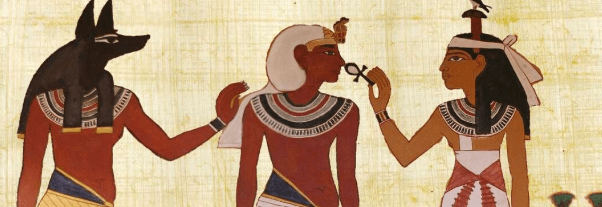
Over time, this conditioning can:
- reduce attention spans
- increase polarization
- normalize conflict
- erode empathy
- distort reality
When we consume culture uncritically, we allow ourselves to be shaped by forces that may not have our best interests in mind.
Organic Culture vs. Processed Culture
What Is “Organic” Culture?
Organic culture emerges naturally from communities. It is created by people expressing their lived experiences, traditions, and values. It is often local, diverse, and rooted in authenticity.
Examples include:
- folk music
- community theater
- independent films
- grassroots journalism
- local storytelling traditions
Organic culture nourishes the mind because it reflects genuine human experience.
What Is “Processed” Culture?
Processed culture is engineered for mass consumption. It is created by large institutions with the goal of maximizing profit, influence, or brand identity. It often relies on formulas, clichés, and market research.
Characteristics of processed culture include:
- predictable story arcs
- manufactured celebrities
- algorithm‑driven content
- heavy reliance on spectacle
- minimal intellectual challenge
Processed culture is not inherently bad, but it is often designed to be consumed passively rather than engaged with critically.
The Health Effects of Cultural Diets
Just as a diet of processed food can lead to physical health problems, a diet of processed culture can lead to intellectual and emotional issues:
- reduced critical thinking
- increased conformity
- emotional numbness
- unrealistic expectations
- susceptibility to manipulation
A balanced cultural diet—one that includes both entertainment and intellectually nourishing content—is essential for mental well‑being.

The Responsibility of the Consumer
Becoming a Conscious Cultural Consumer
We cannot control everything about the culture we encounter, but we can control how we engage with it. Becoming a conscious consumer means asking questions:
- Who created this?
- What are their motivations?
- What assumptions does this content make?
- What values does it promote?
- How does it make me feel—and why?
These questions help us understand the “ingredients” of the cultural products we consume.
Diversifying Our Cultural Diet
Just as nutritionists recommend eating a variety of foods, we should consume a variety of cultural content. This includes:
- independent films
- documentaries
- books from diverse authors
- music from different cultures
- long‑form journalism
- educational content
Diversity enriches our understanding of the world and protects us from intellectual stagnation.
Supporting Ethical Cultural Production
Consumers have power. By choosing what to watch, listen to, and share, we influence the cultural marketplace. Supporting creators who prioritize authenticity, diversity, and integrity helps shift the industry toward healthier practices.
This might mean:
- supporting independent artists
- subscribing to ethical media outlets
- attending local cultural events
- sharing meaningful content rather than viral noise
Small choices accumulate into cultural change.
The Future of Cultural Scrutiny
The Rise of Algorithmic Culture
Algorithms increasingly determine what culture we consume. They shape our playlists, our news feeds, our video recommendations, and even our social interactions. These algorithms are designed to maximize engagement, not enlightenment.
Scrutinizing culture now requires scrutinizing the systems that deliver it.
The Need for Cultural Literacy
Just as schools teach nutritional literacy, they should teach cultural literacy. Students should learn how to analyze media, understand bias, recognize propaganda, and evaluate sources. Cultural literacy is essential for navigating a world saturated with information.
The Possibility of a Cultural Renaissance
If consumers become more conscious and creators become more transparent, we could see a renaissance of meaningful culture. Technology has lowered the barriers to creation, allowing more voices to be heard. Independent artists can reach global audiences. Communities can tell their own stories.
The future of culture depends on our willingness to demand quality, authenticity, and integrity.
SO WHAT DO WE DO?
We live in a world where culture is as abundant and accessible as food. Yet abundance does not guarantee nourishment. Just as we have learned to question what we eat, we must learn to question what we watch, listen to, and read. Culture shapes our minds as profoundly as food shapes our bodies. It influences our beliefs, our emotions, our politics, and our collective identity.
Scrutinizing culture is not about censorship or moral panic. It is about awareness. It is about understanding the forces that shape our worldview and making intentional choices about what we allow into our minds. It is about recognizing that culture is not neutral—it is created by people with histories, biases, and agendas. And it is about taking responsibility for our own intellectual and emotional well‑being.

If we can learn to approach culture with the same care we apply to our diets, we can cultivate a healthier, more thoughtful, and more resilient society. We can nourish our minds with content that challenges us, inspires us, and reflects the richness of human experience. And in doing so, we can shape a cultural landscape that supports not only entertainment but also enlightenment.
But, let’s be realistic, most of us are too lazy and prefer to be spoon fed culture and poison rather than do anything about it. We complain, but we don’t change. WAKE UP, THINK NEWSNOW!


 The Daily Think
Leave a comment