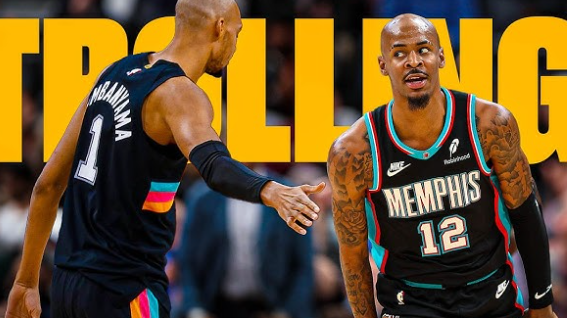
Watching the 2026 NBA Conference finals between OKC and San Antonio, it dawned on me that athletes like to showcase a side of themselves that gets immediately portrayed as something else by the media. This assumption level is similar to the movie stars and politicians of our time, but are they truly how that person is? IT got me thinking, OKC has the entire basketball world thinking they are “flopping” and playing like soccer players to bait fouls, but in reality, they may be doing something as old as the WWE and wrestlers since back to the Andy Kaufman days where it seemed like they were working us. Or are they in fact professional trolls? Professional athletes have always been entertainers, but somewhere between the rise of global sports marketing and the influencer economy, they evolved into something far more mischievous: the world’s most sophisticated trolls. Not trolls in the internet‑comment‑section sense—though some dabble in that too—but trolls in the sense of weaponized image‑crafting, strategic product placement, and carefully curated illusions designed to manipulate public perception.
Athletes today are not just competitors; they are walking billboards, brand ecosystems, and narrative architects. They know exactly how to appear humble while cashing eight‑figure endorsement checks, how to look relatable while wearing $40,000 watches, and how to project authenticity while being surrounded by marketing teams who script every visible moment.
And the trolling is deliberate. Because the more the public believes the illusion, the more valuable the athlete becomes.
This article explores how athletes troll the world through product placement, endorsement contradictions, and brand‑persona mismatches, using real examples grounded in documented marketing failures, scandals, and deceptive tactics.
The Athlete as a Manufactured Persona
Modern sports marketing is built on the idea that athletes are not just people—they are characters. And like any good character, they must be believable. That’s where the trolling begins: athletes project one identity while living another, and brands happily bankroll the performance.
Sports marketing is full of covert endorsement deals, undisclosed product placement, and misleading testimonials, all of which are designed to manipulate consumer perception without transparency. These tactics are widely recognized as deceptive and trust‑eroding within the industry.
Athletes know this. Brands know this. Fans… suspect it, but often fall for it anyway.
The result is a world where the public persona of an athlete is less a reflection of reality and more a carefully engineered marketing fiction.
The Troll Tactics: How Athletes Use Products to Craft Illusions
Undisclosed Product Placement: The Sneakiest Flex
Undisclosed product placement—when a product appears in an athlete’s environment without being labeled as an ad—is one of the most common forms of image manipulation. It’s also one of the most deceptive. According to sports marketing analyses, undisclosed placement is specifically identified as a tactic that misleads consumers and erodes trust.
Athletes use this tactic constantly:
- Wearing a brand “casually” in a locker room interview
- Holding a beverage during a press conference
- Posting a gym selfie with a strategically placed supplement tub
- Appearing in public with a product they don’t actually use
The goal? To create the illusion that the athlete authentically loves the product—even when the relationship is purely transactional.
This is trolling at its finest: pretending to be genuine while being anything but.
Covert Endorsements: The Hidden Bag
Covert endorsement deals—agreements that are not disclosed to the public—are another form of athlete trolling. These deals are explicitly recognized as deceptive within sports marketing ethics because they create a false sense of authenticity.
Imagine an athlete who:
- Publicly claims to love a product
- Appears with it “organically”
- Never discloses they’re being paid for it
Fans believe the athlete is being real. The athlete knows they’re being paid. The brand knows they’re manipulating consumers.
Everyone is in on the joke except the audience.
Misleading Testimonials: The “I Totally Use This” Lie
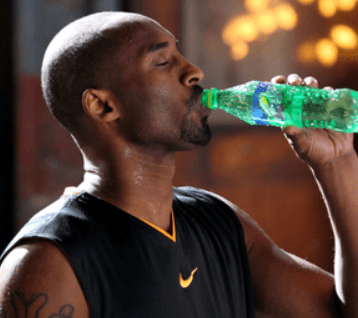
Misleading athlete testimonials—endorsements that exaggerate or fabricate the benefits of a product—are another documented tactic.
Athletes often claim:
- A supplement changed their life
- A shoe improved their performance
- A recovery device healed them
- A lifestyle product “fits their values”
But behind the scenes?
- They don’t use the product
- They use a competitor’s product
- They privately mock the product
- They only touched it for the photoshoot
This is trolling because the athlete is performing sincerity while knowing the truth is the opposite.
In Practice: When Athlete Image‑Crafting Backfires
To understand how deeply athletes troll the public, we need to look at real cases where the illusion cracked.
Lance Armstrong: The Clean‑Cut Cyclist Who Was Anything But

Lance Armstrong built an entire brand persona around being:
- Clean
- Disciplined
- Inspirational
- A symbol of resilience
He endorsed Nike, Budweiser, and famously fronted the LiveStrong movement. But his entire public image was a carefully constructed illusion—one that collapsed when it was revealed he had been doping for most of his career.
Armstrong wasn’t just cheating; he was trolling the world by presenting himself as the moral center of cycling while secretly violating the very values he sold to fans and sponsors.
His endorsements didn’t just fail—they imploded, proving how fragile the illusion of authenticity can be.
Charles Barkley: The Weight‑Loss Spokesman Who Was… Charles Barkley

Charles Barkley’s endorsement of Weight Watchers is one of the funniest examples of athlete‑brand mismatch. Barkley is beloved for being outspoken, irreverent, and proudly unfiltered. Weight Watchers is a brand built on discipline, structure, and lifestyle transformation.
The partnership was doomed. The public didn’t buy it. The campaign flopped.
This wasn’t just a mismatch—it was a troll. Barkley’s persona was so incompatible with the brand that the endorsement felt like a parody of itself.
Tom Brady and UGGs: The Softest Troll in Sports Marketing
Tom Brady endorsing UGGs is one of the most unintentionally hilarious product placements in sports history. UGGs were widely marketed as a women’s lifestyle brand, and Brady—an NFL quarterback known for intensity and competitiveness—was an odd fit.
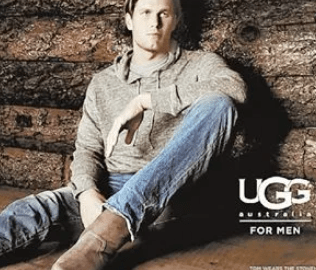
The public didn’t connect with the campaign. The endorsement felt forced. The brand‑persona mismatch was too obvious.
Brady wasn’t trolling intentionally, but the effect was the same: the image he projected didn’t match the product he was selling.
he Psychology of the Troll Athlete
Why do athletes engage in these tactics? Because image is currency.
Fans Want Heroes, Not Humans
Athletes troll because fans reward the illusion. People want:
- The clean hero
- The disciplined champion
- The relatable superstar
- The humble millionaire
Athletes know this. Brands know this. So they collaborate to create personas that satisfy the fantasy.
Brands Want Influence, Not Honesty
Sports marketing is full of deceptive tactics—ambush marketing, covert deals, subliminal messaging, stealth promotions—all of which are designed to manipulate consumer behavior.
Athletes are the perfect vessels for these tactics because:
- They have built‑in audiences
- They are aspirational figures
- They are trusted
- They are culturally influential
Brands don’t want authenticity; they want believability.
Athletes Want Control, Not Transparency
Athletes today are media entities. They control:
- Their image
- Their narrative
- Their brand partnerships
- Their public persona
Transparency threatens that control. Trolling protects it.
The Ethical Problem: When Trolling Becomes Manipulation
Sports marketing experts warn that deceptive tactics—undisclosed endorsements, misleading testimonials, covert deals—erode trust between athletes and fans.
Ethical marketing frameworks emphasize:
- Transparency
- Honesty
- Disclosure
- Authenticity
But athletes and brands often ignore these principles because deception is profitable.
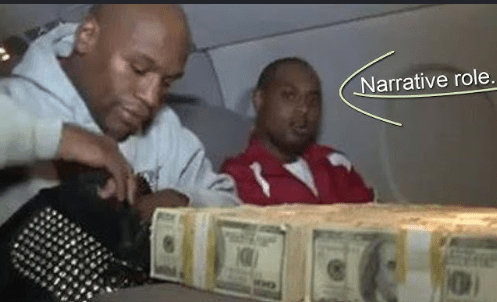
How professional athletes ACTUALLY make their money. – StoryBrain
Even regulatory bodies like the FTC require disclosure of endorsements, but enforcement is inconsistent, and athletes frequently push the boundaries.
The Future: Athletes as Hyper‑Trolls in a Hyper‑Branded World
As sports marketing becomes more sophisticated, athletes will only become more skilled at trolling the public.
NIL Deals and the Rise of the Teenage Influencer‑Athlete
With the explosion of NIL (Name, Image, Likeness) deals in college sports, athletes are now trained in brand manipulation before they even turn 20. This shift is part of a broader transformation in sports marketing.
The next generation of athletes will be:
- More brand‑savvy
- More image‑conscious
- More skilled at curated authenticity
In other words: even better trolls.
Agents as Image Architects
Sports agents play a major role in crafting athlete personas. They manage public image, negotiate endorsement deals, and shape how athletes appear to the world.
Agents are not just negotiators—they are illusion engineers.
The Blurring of Reality and Marketing
As digital media expands, the line between real life and brand life becomes increasingly blurred. Athletes will continue to:
- Stage “candid” moments
- Script authenticity
- Use products strategically
- Perform relatability
The trolling will become more subtle, more pervasive, and more profitable.
Why Athletes Will Always Be the Ultimate Trolls
Professional athletes are the ultimate trolls because they operate at the intersection of:
- Fame
- Marketing
- Narrative control
- Consumer psychology
They know how to appear authentic while being deeply curated. They know how to project values they don’t live. They know how to use products to craft illusions. They know how to manipulate perception for profit.
And the public, willingly or not, plays along.
Athletes troll us because it works. Brands encourage it because it sells. Fans accept it because the illusion is more comforting than the truth.
In the end, the trolling isn’t malicious—it’s strategic. It’s the cost of doing business in a world where image is everything and authenticity is optional.

 The Daily Think
Leave a comment