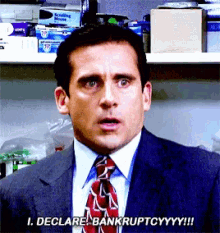
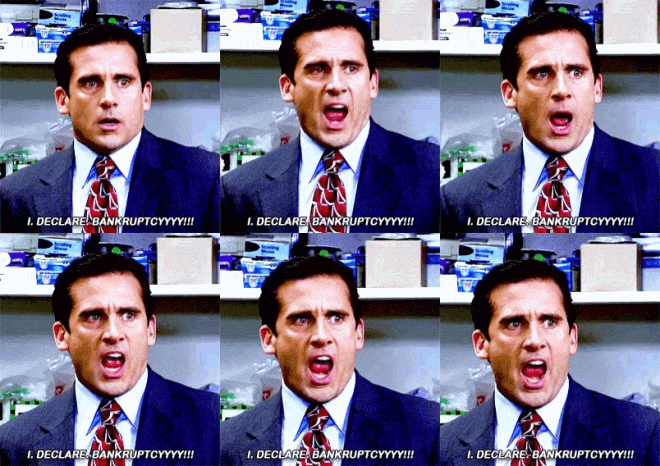
Scrolling down my Instagram feed, I get a lot of wrestling interviews of the old days, and one came up showing Paul Heyman on Failure and Success. Paul Heyman is a wrestling promoter, manager, personality for over 40 years and in the Insta-Post he said:
“You cannot achieve success without the risk of failure…Sometimes half the fun is failing. Learning from your mistakes, waking up the next morning, and saying ‘Okay. Watch out. Here I come again…. So now, I’m just a little more dangerous.”

Taking a chance, and failing is something we all do every day, but for most it’s a badge of shame and something we hide. Mistakes are mocked and ridiculed online, and in the media and with enough exposure to this reaction to failure, we have come to accept it and will see the shame. This isn’t the way. What we at THINK.NEWS.NOW want to do is break the stigma of failure and mistakes. So, we want to start with the biggest mistake a person can make financially and how they can admit they made that mistake, bankruptcy.
Bankruptcy comes in many forms and has multiple types of chapters. Depending on your business type there are 7 types of common chapters in bankruptcy. Quick Finance lesson the different types of Bankruptcy:
- Chapter 7 – Liquidation of assets
- Chapter 9 – Municipal, when a public entity declares bankruptcy.
- Chapter 11 – Reorganization for business
- Chapter 12 – Family Farmers or Fisherman, special protection for farmers and fishermen
- Chapter 13 – Reorganization, most common for individuals
- Chapter 15 – Cross border or international bankruptcy
- Chapter 20 – Not a real chapter but combines 7 and 13 for sequential debt recovery.
As you can see many chapters of different types of bankruptcy are available to you, so why not take advantage of them?
FAMOUS BANKRUPTCIES BY INDIVIDUALS
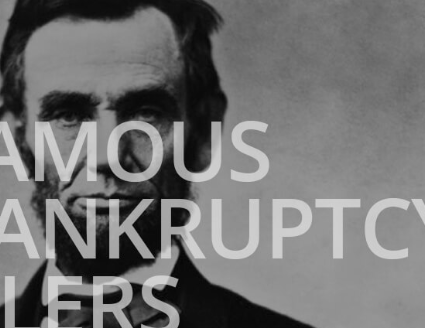
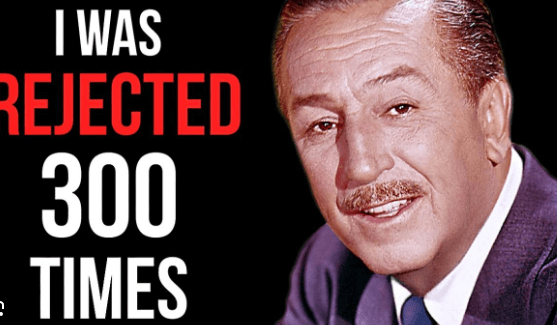
Well United States presidents, Donald Trump (obviously) but also Abraham Lincoln, Thomas Jefferson and US Grant, although none of them at the time of their presidency. Major American business titans, including Starbucks Howard Schultz, Henry Ford, Milton Hershey (that chocolate bar in your S’mores) and finally the house of Mouse Walt Disney. These are just the big names of Bankruptcy, but every day and every walk of life people declare, and the most interesting thing is, it can lead to greater things. HOW?
BANKRUPTCY IS A BLESSING?
So how can seizure of property, and assets and garnished wages or whatever settlement from bankruptcy is made be a blessing? Well here is a quick list of positives:
Debt Relief: Bankruptcy can provide immediate relief from overwhelming debt by discharging or restructuring it. This can help individuals regain financial stability and reduce the stress associated with unmanageable debt.
Protection from Creditors: Once bankruptcy is filed, an automatic stay goes into effect, which prohibits most creditors from pursuing collection actions. This can provide a temporary respite from creditor harassment and legal actions.
Fresh Start: Bankruptcy can provide a fresh financial start by eliminating or reducing debts. This can allow individuals to begin rebuilding their credit and financial life.
Admitting Failure: Bankruptcy does involve acknowledging financial failure, but it can also be seen as a responsible step towards addressing financial problems. It allows individuals to confront their financial situation rather than ignoring it. But here again, the stigma and shame of admitting failure needs to be overcome by us as individuals.
BANKRUPTCY IS A CURSE?
Sure, this isn’t a panacea for all businesses or individuals. There are some drawbacks to declaring bankruptcy. Right quick:
Credit Impact: Bankruptcy can severely damage an individual’s credit score, making it difficult to obtain credit or loans in the future. It can take years to rebuild credit after bankruptcy.
Asset Loss: In some cases, individuals may need to surrender assets or property as part of the bankruptcy process. This can have a long-term impact on their financial stability.
Limited Eligibility: Not everyone qualifies for bankruptcy, and eligibility depends on various factors, including income, debts, and the type of bankruptcy being filed (Chapter 7 or Chapter 13).
Public Record: Bankruptcy is a matter of public record, which means it can be viewed by potential employers, landlords, and others. This can affect future opportunities.
Emotional and Psychological Impact: Bankruptcy can be emotionally and psychologically challenging, as it involves admitting financial failure and can lead to feelings of shame and stress.
Considering the effects of bankruptcy is also necessary and it’s going to require some mental fortitude in whatever route you take.
CAN WE GET OVER OURSELVES?

The whole key to admitting a mistake in business and personal finance is getting to know your options and getting passed the mental obstacles of the circumstance that lead to your mistakes. Mentally, we need to be strong, and overcome. The results can lead to so much more benefits. Who knows what lies ahead after a declaration of bankruptcy, president or CEO of massive conglomerate, but even if that’s not your goal, maybe just having legal protection and the reality of your situation explained to you while in an emotional state is something we all need.



 The Daily Think
Leave a comment